What a crayon is really doing for your preschooler
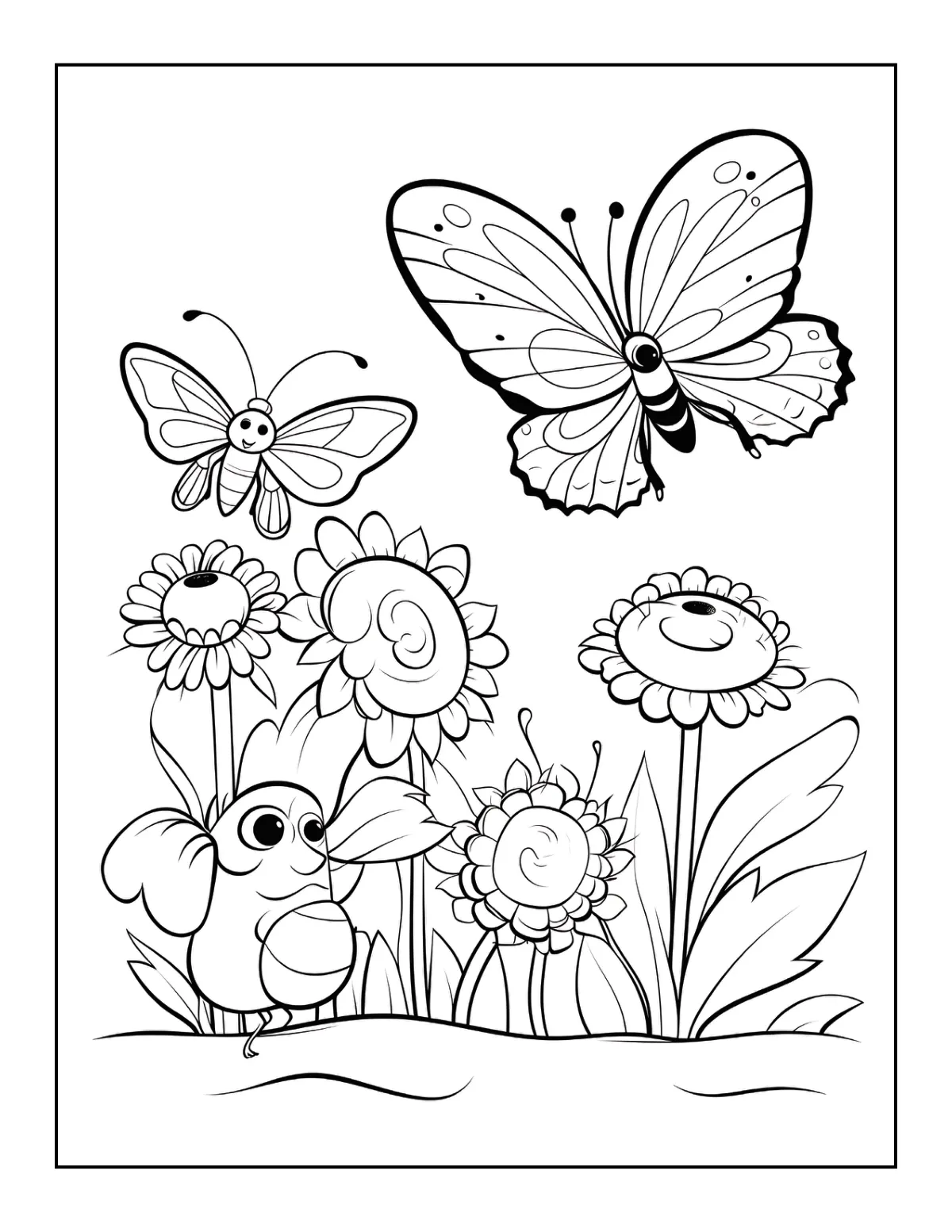
The first time my niece filled in a whole page without asking for help, she was so pleased with herself she carried it around the house for a week. It was a lopsided orange cat. It was also, quietly, a small feat of engineering.
Holding a crayon and steering it inside a shape asks a lot of a three-year-old. The muscles between the thumb and forefinger — the ones that will later form letters and do up buttons — get a real workout. Occupational therapists call this a pincer grip, and coloring is one of the least stressful ways to practise it.
It's practice for the hard stuff, disguised as fun
Staying roughly inside the lines is a lesson in control and self-correction. Choosing colours and deciding where to start is a small exercise in planning. And finishing a page — even a messy one — teaches a child that sticking with something feels good. None of it looks like learning, which is exactly why it works.
- Grip and hand strength that later feed into handwriting
- Focus that stretches a little longer each month
- Early colour and shape vocabulary, picked up in conversation
- A quiet, screen-free way to reset an overstimulated afternoon
How to help without taking over
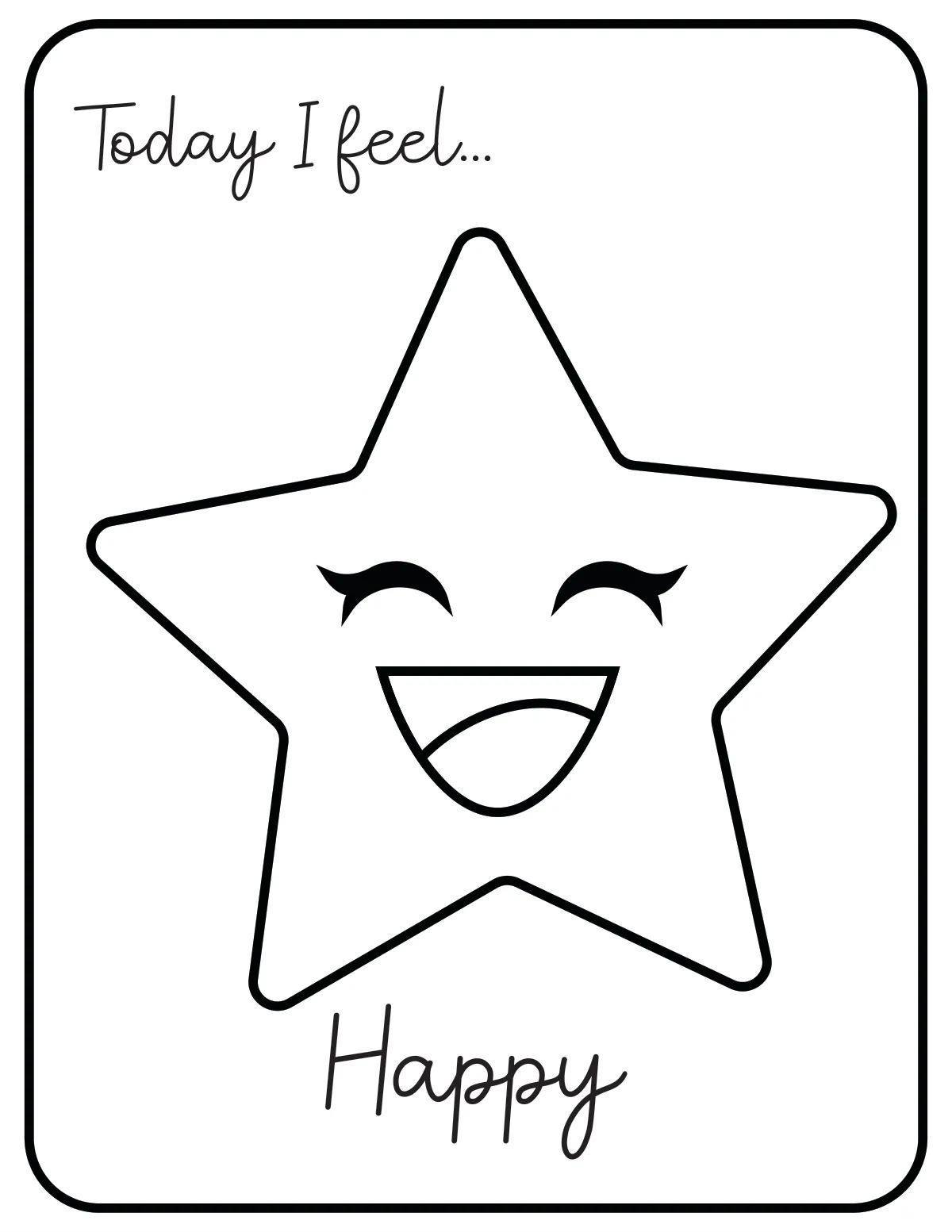
Resist the urge to correct. If the sky is green, ask about it rather than fixing it — you'll usually get a story. Offer thick outlines and chunky crayons for little hands, and keep sessions short. Ten happy minutes beats a forced half hour every time.