Building Emotional Awareness Through Naming Anger
It’s a weekday afternoon, and the kitchen table is a battlefield. A 5-year-old’s face red, fists clenched tight as a sibling reaches for the last cookie. The meltdown is fast and fierce. You pause, remembering that the trick isn’t to lecture or distract immediately but to help them name that fire inside. “I see you’re feeling really angry right now.” Those words alone can stop a storm in its tracks.
For children ages 4 to 8, one of the most important early emotional skills is learning to identify and name feelings—especially tricky ones like anger. When kids can put a word to what they’re experiencing, it gives them a tool to manage it rather than be overwhelmed. This isn’t about avoiding anger or pretending it’s wrong but recognising it as the start of a process towards calm.
Why Naming Anger Matters More Than You’d Think
Emotional awareness is the foundation for self-regulation, the ability to stay in control of thoughts and actions despite strong feelings. Without the words to describe emotions, many children can only react—crying, yelling, or shutting down. Naming anger helps strip some of its power by turning an invisible feeling into something they can understand and manage.
Research shows that children who develop emotional vocabulary early tend to handle conflicts and frustrations better later on. For example, a 6-year-old who can say “I’m frustrated” instead of erupting in a tantrum is practising a skill that will serve them through school and social situations. It’s a small step that takes patience and repetition but pays off hugely.
How to Practise Naming Anger at Home
Start with simple language and stay calm yourself—even when the storm feels urgent. You might say, “You look upset. Is it anger? That’s okay.” When children hear their feelings labelled by a trusted adult, they learn to recognise those signs inside themselves. Here are some practical ideas to make this part of your everyday routine:
- Use storybooks or puppets to act out different feelings, pausing to ask, “How do you think this character feels?”
- Create a feelings chart with faces showing emotions like happy, sad, scared, and angry. Refer to it when your child is upset.
- Role-play situations such as losing a game or not getting a turn, and practise saying “I feel angry because…”
- Model naming your own emotions, for example, “I’m feeling frustrated because the car won’t start.”
- Introduce simple breathing exercises or calm-down choices, linking the awareness of anger to what they can do next.
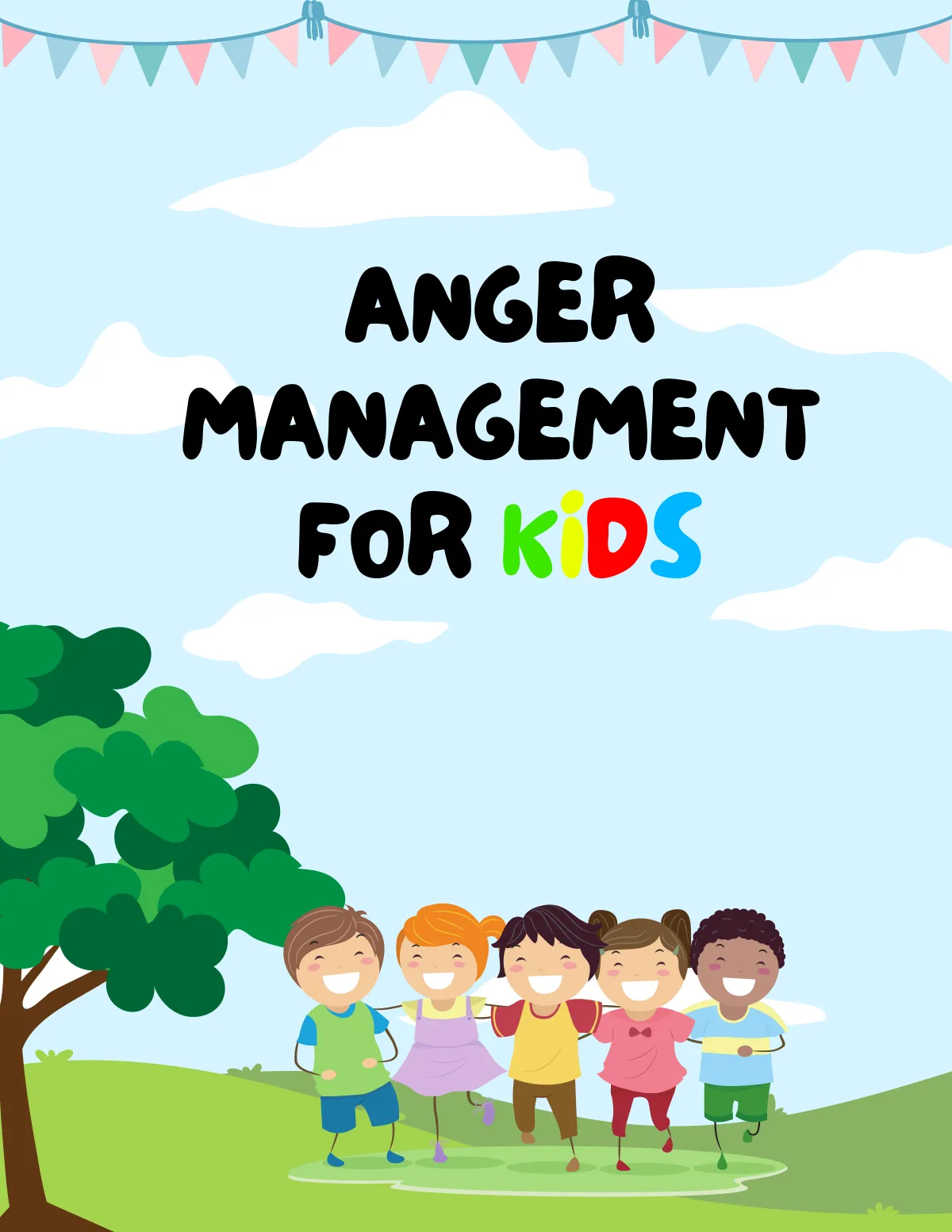
One helpful resource is the Anger Management for Kids editable Canva journal designed for children ages 4 to 8; it guides kids through recognising what anger feels like and choosing strategies that calm them down. Parents can adjust the prompts to fit their child’s words and print pages to have ready for those tense moments at home.
Be patient with your child—and yourself. Emotional skills don’t develop overnight. A 7-year-old may still struggle to name or control anger sometimes, but through consistent practice, they’ll grow more confident. Celebrate small wins, like when they say, “I’m angry,” instead of hitting or yelling.
Remember, even toddlers can start this journey. At 3 or 4 years old, they might not say ‘angry’ yet, but you can name feelings for them, helping build a foundation. For example, “I see your face is scrunched up; looks like you’re feeling mad.” This early connection between word and feeling sets the stage for bigger emotional breakthroughs.
Sometimes kids need more than naming—they need outlets for that energy. Simple physical activities like stomping feet, squeezing a stress ball, or drawing a ‘mad’ picture can support the emotional work of naming anger with real expression. When the feeling moves, it loses intensity.
In everyday life, you’ll notice moments when this skill comes alive—after a disagreement on the playground, a disappointment at a birthday party, or even a tough homework challenge. Use those moments to pause and ask, “What are you feeling?” The small conversation can change the trajectory of a meltdown.
In the end, helping children name anger is about giving them a quiet but sturdy tool for big feelings. It’s not magic, but it’s magic enough to turn chaos into calm, tears into words, and frustration into understanding. And that’s a skill worth practising every day.