Explore the Human Body: A Weekend Project for Curious Kids
Saturday morning, the kitchen table is strewn with crayons, coloured pencils, and sheets of paper. Eight-year-old Emma carefully colours in a heart bright red, pausing every now and then to ask her mum why it beats and how blood moves through it. Emma’s little brother, Max, age five, sits beside her, colouring a pair of lungs in blue and purple hues, fascinated by the way they fill with air. This isn’t just art time; it’s an impromptu science lesson that grew from curiosity and a weekend printable project.
Why Choose a Bigger Weekend Project?
Weekend projects differ from the brief, quick activities we often squeeze in during busy weeknights. They give families space to explore together, ask questions, and dive into topics that might feel too big for everyday moments. For kids aged four to eight, a project that blends creativity with learning can spark enthusiasm and hold their attention far longer than a fleeting craft or game.
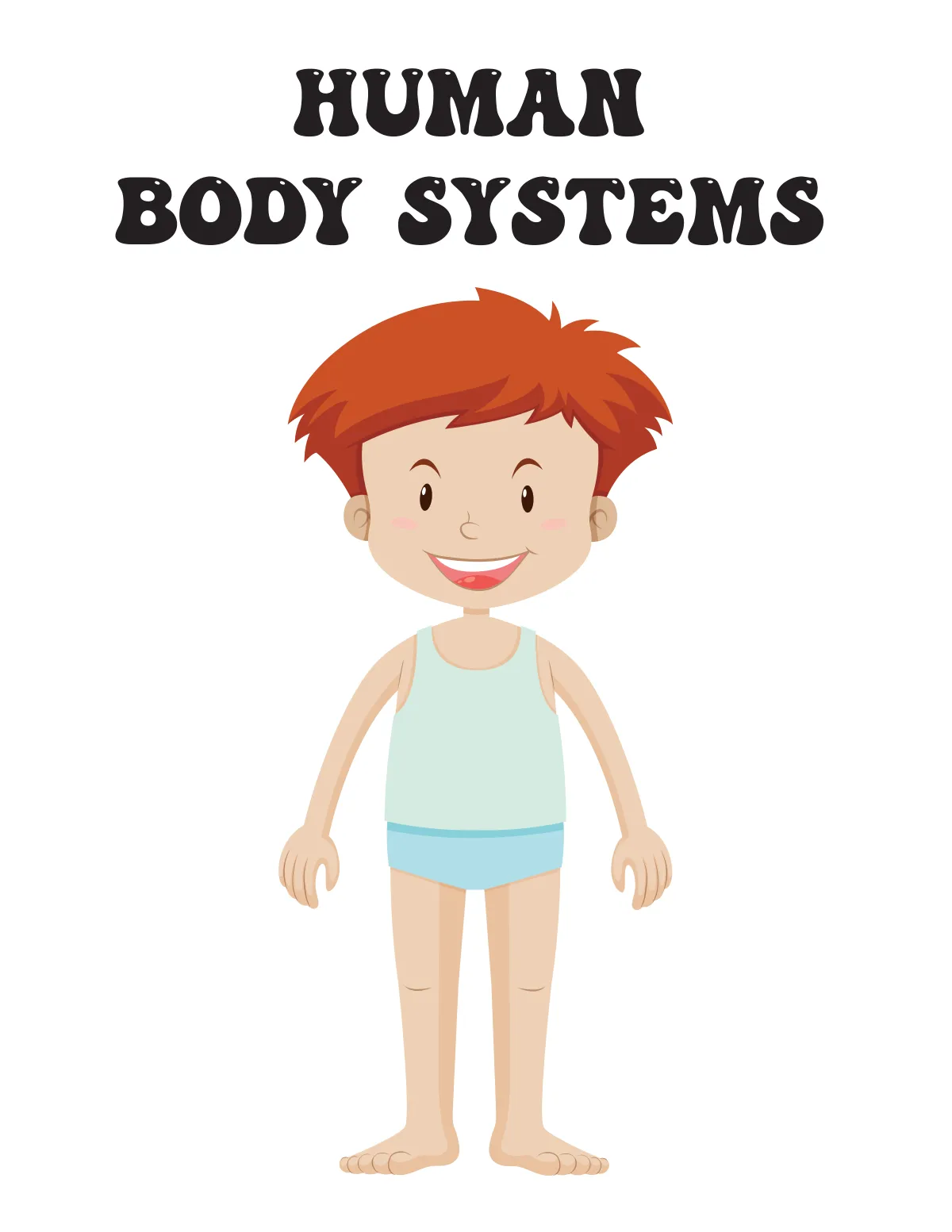
Anatomy is one of those subjects that can feel abstract when only explained verbally. Kids want to see what’s inside their bodies and understand how it all fits together. That’s why a printable anatomy colouring book lets children physically engage by colouring organs like the brain, heart, and lungs. It’s a tactile way of learning that encourages questions like “Why does the brain need so many parts?” or “How do my lungs help me run?”
How to Set Up a Fun, Educational Weekend
- Choose a printable project tailored to your child’s age and interests — for example, the Anatomy Human Organs Body Coloring is ideal for ages 4-8 and designed with thick outlines and friendly images.
- Gather art supplies in advance. Having crayons, pencils, and erasers at hand means no interruptions in creativity.
- Create a comfortable space where everyone can sit, talk, and move their work around easily. The kitchen table or a living-room floor with blankets works well.
- Join in! Parents and siblings colouring alongside children model enthusiasm and make the process social.
- Take breaks to discuss what you’ve coloured so far — share little facts you know or look things up together online or in books.
- Capture your family's project with photos to celebrate the finished work, and keep some pages for display.
The colouring project also doubles as subtle science learning. With simple, clear pictures, children can begin to understand body parts as real, important elements rather than just names. Plus, the project invites big questions and encourages adults to explain answers in a way that suits a child's understanding.
Many parents find that weekend projects with a strong visual and hands-on element make recall easier for children. Emma, now at nine, still remembers how the heart functions thanks to a similar activity last year. Moments like these enrich family time and turn learning into a shared adventure rather than a task.
If the weather outside doesn’t invite long excursions or playground visits, this kind of weekend project can be a perfect alternative. It suits rainy afternoons beautifully, providing a calm yet stimulating way to spend a few hours that’s screen-free and collaborative. Meanwhile, kids develop fine motor skills and build vocabulary around body science without even realising it’s learning.
For families juggling work, school, and after-school clubs, setting aside 90 minutes or so on a Saturday or Sunday for such a project can feel like a treat rather than a chore. It’s a chance to slow down, be curious, and connect through shared discovery.