Helping Kids Build Calm: Simple Tools for Big Feelings
Picture a busy weekday morning in a typical family home. Seven-year-old Mia is halfway through breakfast when she suddenly huffs, crumples her napkin, and storms off to her room. Her mum sighs, knowing this is just the start of a tricky day. Moments like these, when emotions overwhelm, are common for young children learning to manage big feelings. Helping them calm themselves isn’t about stopping the feelings—it’s about giving them practical ways to ease the storm.
Young children, especially between ages 3 and 8, are still developing the brain areas that control impulses and emotions. They often experience feelings like frustration, anxiety, or anger intensely, and their usual outlets might seem to vanish in these moments. The struggle to self-regulate—calming down, managing excitement, or shifting focus—takes real practice, patience, and gentle guidance.
Why Routines Help Kids Feel Safe and Confident
Routines aren’t just about keeping the house in order; they’re deeply reassuring to children. Knowing what’s coming next reduces anxiety and helps kids feel in control. For example, a simple morning checklist can anchor a child’s day, giving them clear steps like brushing teeth, getting dressed, or packing their bag. Children aged 4 to 8 respond especially well to checking off tasks themselves—it’s a small but powerful boost to their confidence and sense of mastery.
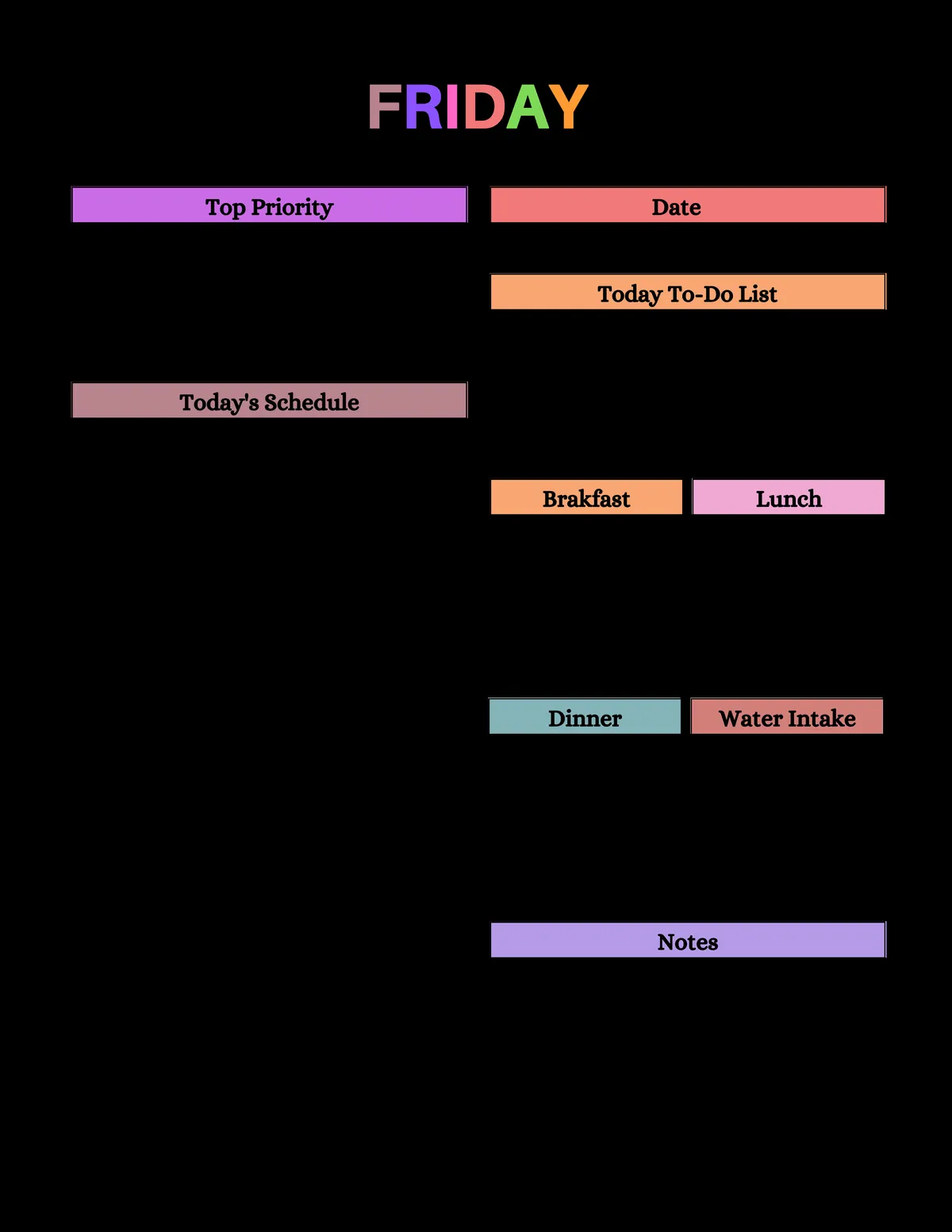
What if your family’s schedule is a bit different or changes often? That’s where a blank checklist shines. You can create your own daily or weekly routines tailored exactly to your child’s needs, whether it’s a bespoke packing list for sports practice or a step-by-step sequence for tidying their bedroom. Kids love the satisfaction of ticking off completed tasks, and parents get the priceless calm of a plan that actually fits their life.
Try involving your child in making the checklist. When Theo, who’s five, helped choose and write down his morning tasks, he took real pride in checking each box. This involvement also strengthens their understanding of routines and their role in managing themselves.
Practical Calm-Down Strategies for Young Children
Even the best routines can’t prevent every upset. When your child is in the middle of a meltdown, calm-down tools can make a big difference. Here are some straightforward ideas that work well for ages 3 to 8:
- Breathing buddies: Give your child a small stuffed animal to place on their tummy as they lie down. Watching the toy rise and fall with each breath teaches calming deep breaths without forcing it.
- Create a calm corner: A cozy nook with soft cushions, a favourite book, or sensory toys gives children a safe space to reset.
- Use visual timers: Sometimes children don’t know how long “calm down” takes. A visual timer set for a few minutes can help them understand that the upset moment will pass.
- Name the feeling: Simply saying, “You seem really angry right now,” helps children recognise emotions instead of being overwhelmed by them.
- Gentle movement: Slow stretching or gentle shaking out of limbs can help release tension physically.
Observing what helps your child calm is key. Some kids prefer quiet hugs; others need to stomp a bit before settling. Keep experimenting and stay patient.
Building Confidence with Small Wins
Self-regulation grows through daily practice and positive feedback. When children see themselves succeeding—finishing a checklist, calming down after upset—they build confidence. Celebrate these moments, not necessarily with treats, but with words that highlight their effort: “I saw how you took those big breaths and kept going. That’s really grown-up.”
Parents and teachers alike notice that children who learn to manage their emotions early are better prepared for social situations and learning challenges. The trick is consistency and kindness. A homemade or customised checklist, like this Blank checklist, can be a key part of helping kids see their progress and feel steady amid big feelings.
It’s not magic, though. There will be days when your child resists routines or gets very upset despite your best plans. That’s normal. Keep the routines flexible enough to adapt and always give plenty of room for love and reassurance.