How Everyday Play Builds Real Skills in Young Children
It’s mid-afternoon. At the kitchen table, six-year-old Ava is busy lining up her collection of toy dinosaurs by colour and size. Nearby, her younger brother, four-year-old Max, is experimenting with pouring water between cups of different shapes during bath time. These moments, seemingly ordinary and unstructured, are actually heavy with learning potential. Without screens or flashcards in sight, kids are building vital early skills — all through play.
Parents often overlook how much children develop during simple, everyday activities. But sorting toys, stacking blocks, or even running around pretending to be a pirate all help young brains grow. For children aged 2 to 6 especially, play isn’t just fun — it’s how they learn to think, reason, plan, and solve problems.
Concrete Examples of Skill-Building Play at Home
Let’s get specific. Imagine James, a 5-year-old, helping his parent fold laundry. By matching socks and pairing items, he practices sorting and categorising—a foundational skill for maths and reading. While matching, he notices patterns and differences, boosting his attention to detail.
Or picture three-year-old Lily who loves stacking different-sized boxes. Balancing them carefully not only builds her fine motor skills and hand-eye coordination but also introduces basic physics concepts: gravity, balance, and spatial awareness. When the tower inevitably tumbles, she experiments with different ways to build it stronger.
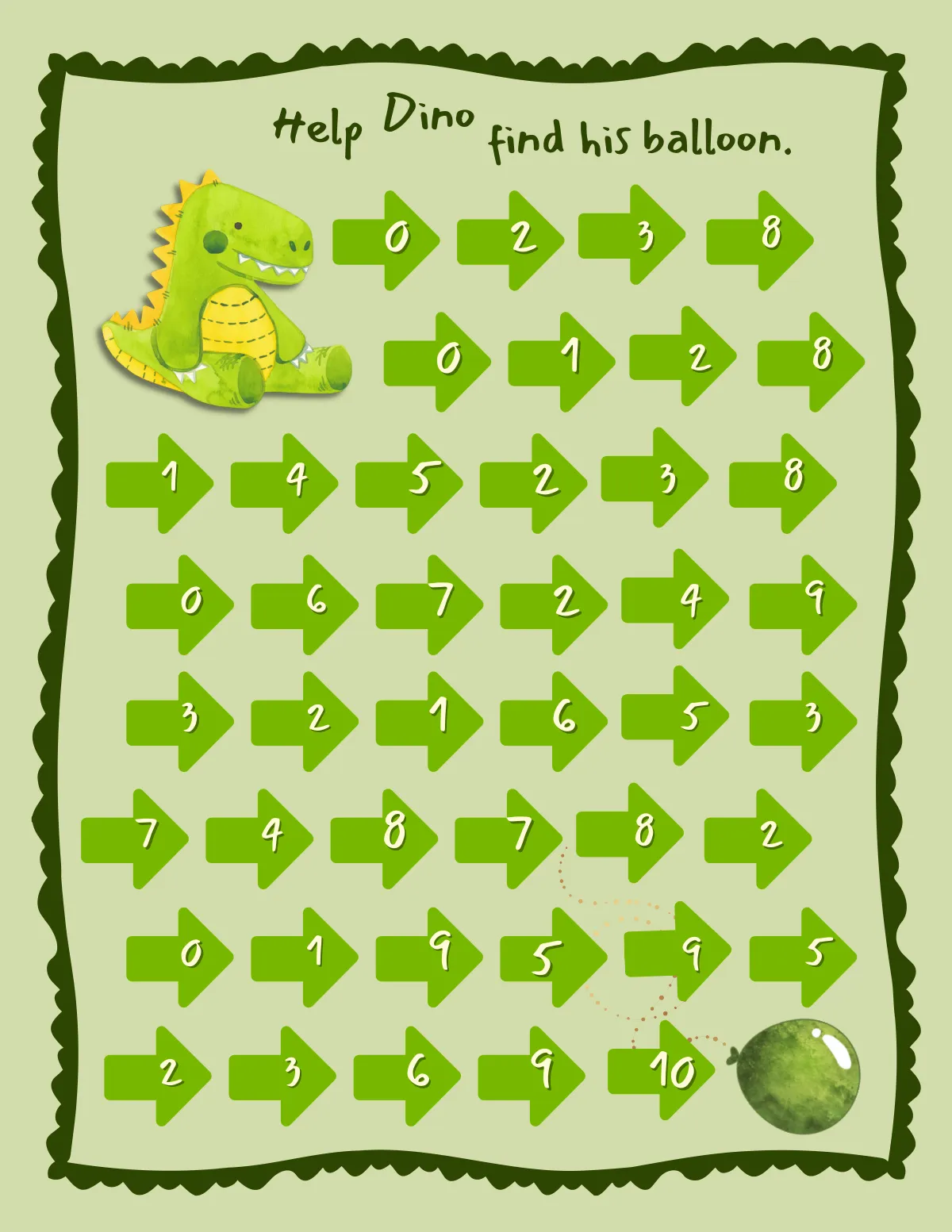
For children closer to school age, like Ava and Max, puzzles can be the perfect challenge. Tackling a brain teaser requires patience, memory, and logical thinking — skills that transfer directly to classroom success. That’s why puzzles like the Puzzle Brain Teaser collection are so useful. They turn quiet moments into problem-solving practice without feeling like homework.
How Play Prepares Kids for School Skills
Sorting, stacking, or solving puzzles might seem unrelated to reading or maths at first, but they lay crucial groundwork. These activities sharpen executive functions — mental skills that include working memory, flexible thinking, and self-control. For example, when children try different ways to solve a puzzle or tidy up toys in a particular order, they’re exercising flexible thinking and planning.
Language development also happens naturally during play. Imagine Max narrating his pirate adventure or Ava explaining the steps she uses to complete a puzzle. These moments boost vocabulary, story understanding, and expressive skills — all vital for literacy.
- Sorting toys by colour or size develops categorisation and pattern recognition.
- Stacking blocks strengthens hand-eye coordination and introduces spatial relationships.
- Solving puzzles builds problem-solving, patience, and persistence.
- Imaginative play enhances language skills, creativity, and social understanding.
- Everyday chores like folding clothes teach sequencing and executive function.
If you’re ever stuck on what to do next, turning everyday moments into learning opportunities is a great start. Involve your child in simple household tasks or offer a challenging puzzle during quiet time. The results might surprise you — and them.
Busy parents often worry about squeezing in screen-free, high-value activities. The truth is that many games and tasks already happening at home are untapped goldmines for development. Watching a child count plastic spoons while helping set the table, or encouraging them to figure out the best way to organise art supplies, can be as beneficial as any structured lesson.
Learning through play is not just about playtime. It’s about real growth happening in ordinary everyday moments. So next time your child is quietly lost in a puzzle, or excitedly sorting their toy cars, remember: their brain is hard at work.