How Everyday Play Turns Into Early Learning Wins
Last week, I watched my four-year-old mix a bowl of pancake batter. She carefully measured flour with a cup, then counted spoonfuls of sugar aloud: “One, two, three.” Without realising it, she was practising numbers and gaining a sense of measurement—all while doing something fun and familiar. It’s these everyday moments of play that quietly build important skills long before formal lessons begin.
Why Play Is Actually Serious Learning
When toddlers and kindergartners play, their brains work hard. It’s not just goofing around. They’re mastering language, problem-solving, fine motor skills, social cues and early math concepts like counting and shapes. This process is natural and joyful, but only if adults notice and support it rather than rushing in to ‘teach’.
For example, when a two-year-old stacks blocks, they’re testing balance, spatial awareness and hand-eye coordination. A five-year-old setting up a pretend shop practices numbers, money concepts, and even basic addition as they ‘sell’ goods. These playful challenges feel like games to children, but they’re the foundation of school-ready skills.
Simple At-Home Play That Builds Concrete Skills
You don’t need fancy toys or elaborate setups. A handful of everyday activities turn playtime into learning time. Here are a few examples that worked well in my house and others I’ve seen in classrooms and playgroups:
- Cooking with your child: measuring ingredients builds early numeracy and sequencing skills.
- Sorting laundry: matching socks or folding clothes by colour sharpens sorting and categorising abilities.
- Nature walks: collecting leaves or stones and grouping them by size or type introduces classification.
- Pretend shopping: use play money or real coins to assign prices and ‘purchase’ items, encouraging counting and value recognition.
- Building with blocks: encourages understanding of shapes, balance and pattern recognition.
These activities make abstract concepts like numbers or measurement tangible and meaningful. Most importantly, they are fun and low-pressure—kids stay engaged because it’s play, not work.
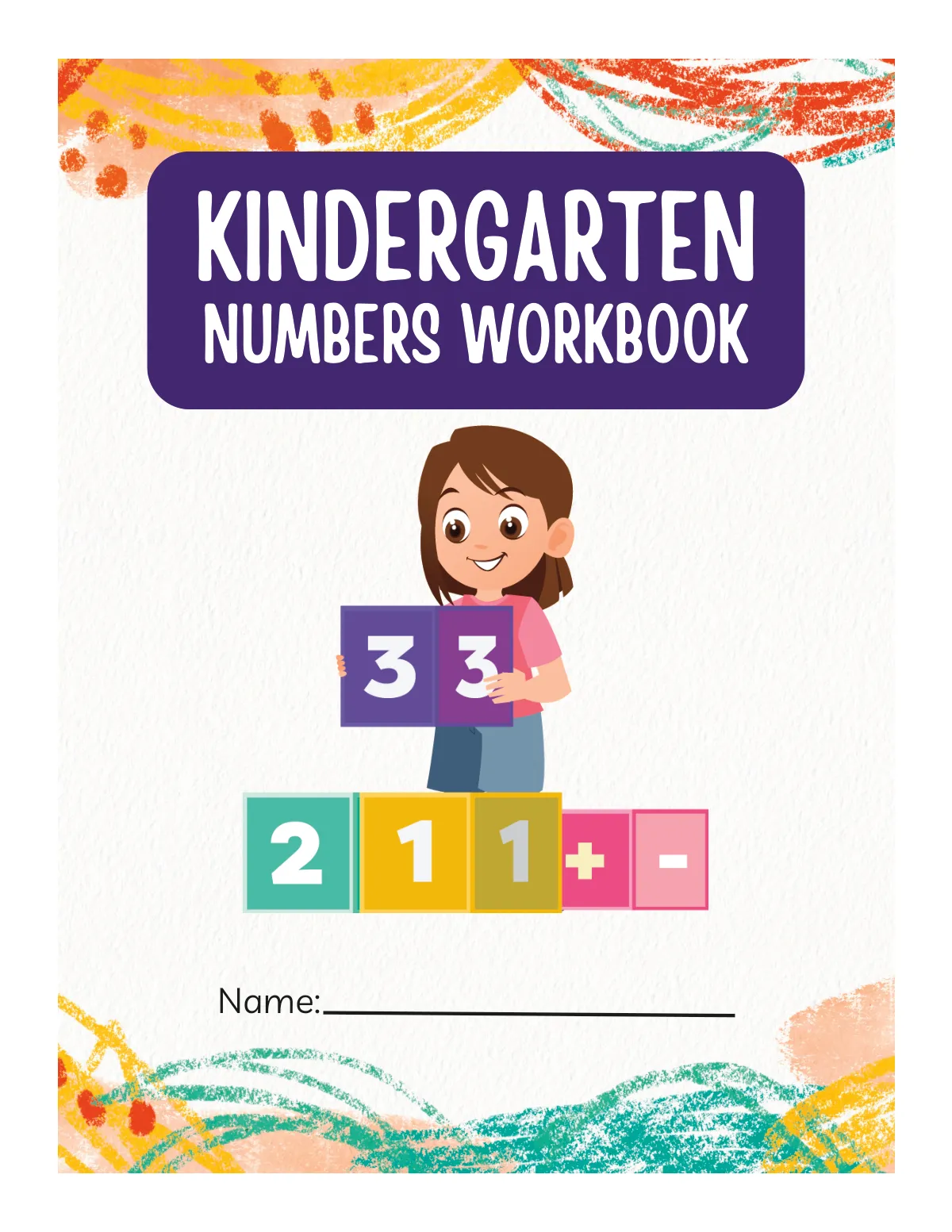
When my youngest was about five, I noticed she enjoyed counting but sometimes got frustrated writing numbers. To help her practice at a comfortable pace, we started using the Kindergarten Numbers Workbook. The printable sheets fit right into our daily rhythm: a short number-tracing activity after dinner or a few pages on weekend mornings. It gently reinforced what she was learning through play, without any stress.
Creating a Playful Environment That Supports Learning
Setting the scene for learning through play is easier than it sounds. Keep materials accessible—blocks in a low basket, crayons and paper within reach, measuring spoons in the kitchen drawer. Children explore best when they feel comfortable and independent, able to grab what they want and use it on their own terms.
Try to follow your child's lead rather than directing every moment. If your three-year-old wants to line up cars by colour, join in rather than interrupting with corrections. Comment on what they’re doing — “You picked the red cars and put them all together!” — building language skills alongside their play.
Sometimes, play won’t look ‘educational’ at all, and that’s perfectly fine. The benefits of play—curiosity, creativity, patience—are just as important as counting or letter recognition. Early learning is a marathon, not a sprint, and every small step counts.
So next time your child invites you into their imaginary castle or wants to ‘help’ with chores, think of it as a chance to build skills without them knowing it. Play is not a break from learning; it is the most powerful way children thrive.