How Racing Car Coloring Builds Fine Motor Skills Fast
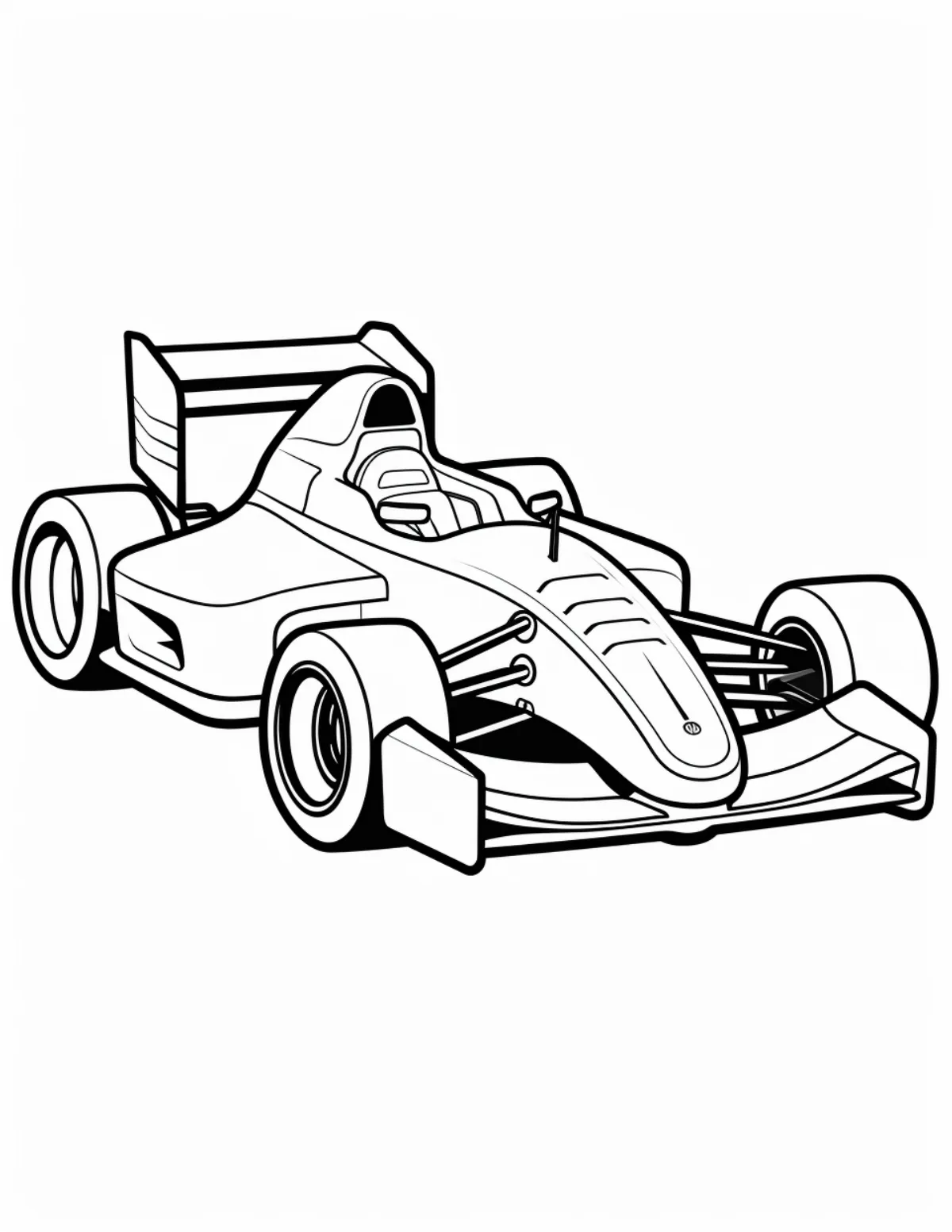
Last weekend, my niece, a lively five-year-old, was glued to her little table, painstakingly colouring inside the outlines of a race car. I noticed how her small fingers tightened and released as she carefully moved her crayon. It struck me how this simple activity was doing more than just keeping her busy—it was strengthening her pencil grip and hand muscles in a way that’s crucial for all kinds of future writing and cutting skills.
Fine Motor Skills: The Small Muscles That Matter
Fine motor skills involve the small muscles in the hands and fingers that kids use daily to write, button clothes, and manipulate objects. For preschoolers aged 4 to 8, honing these skills is a major milestone. Kids who develop strong fine motor control find school tasks like holding a pencil or using scissors far less frustrating. But how to encourage this at home without turning everything into a lesson?
Colouring is one of the most accessible and effective activities for this. Unlike more complex crafts, it’s low stress and highly repeatable. When children colour inside the bold outlines of shapes like racing cars, they’re practising controlled hand movements. And the dynamic scenes—cars zooming, players in action—are exciting enough to hold their attention without boredom creeping in. This combination of focus and fun helps kids naturally build those tiny muscles.
Simple Ways to Practice Pencil Grip and Scissor Skills
- Encourage colouring within lines using crayons or coloured pencils rather than markers, which flow too easily. The resistance from crayons helps strengthen grip.
- Introduce cutting activities with simple shapes printed alongside the colouring pages. Snipping along outlines of cars or sports scenes improves scissor control and hand-eye coordination.
- Use shorter colouring sessions at first—10 to 15 minutes for younger kids—to keep fingers from getting too tired and frustrated.
- Allow kids to choose their colours and designs to boost motivation and creative expression.
If you want a ready-to-print activity that blends these ideas, the Sports and Racing Car Coloring Book offers bold car outlines and action-packed scenes tailored for energetic 4- to 8-year-olds. It’s perfect for busy days, travel downtime, or post-sports wind-down moments when kids might normally be too fidgety for quieter tasks.
One thing I’ve learned from trial and error is not to expect perfection. Little kids will colour outside the lines, their grip will falter, and some scissors cuts will go astray. But every attempt builds muscle memory and confidence. So, whether your child is racing through pages with crayons or clumsily cutting out their favourite car, they’re making steady progress.
What’s Next After Colouring?
Once children get comfortable colouring and cutting, the next natural step is tracing and drawing simple shapes themselves. This helps transition from mimicry to independent mark-making and further refines fine motor skills. Combining these with playful tasks like threading beads or building with small blocks creates a rich, hands-on learning environment.
Remember, developing fine motor skills is a gradual process—what starts as a few shaky lines today can become neat handwriting and confident scissor use in months. Colouring race cars might seem like just fun, but it’s a powerful workout for those tiny muscles that open up countless doors to learning and creativity.