How to Help Toddlers Recognise Shapes—and Why It Matters
I still remember the day my three-year-old son proudly pointed at the round clock on the wall and shouted, “Circle!” It wasn’t just a lucky guess. We’d spent weeks playing simple shape games, and that moment was a breakthrough. Shapes may seem like a simple thing to master, but for toddlers and preschoolers, recognising shapes is a foundational skill that taps into early math, language, and even fine motor development.
Why Shapes Matter Before Letters and Numbers
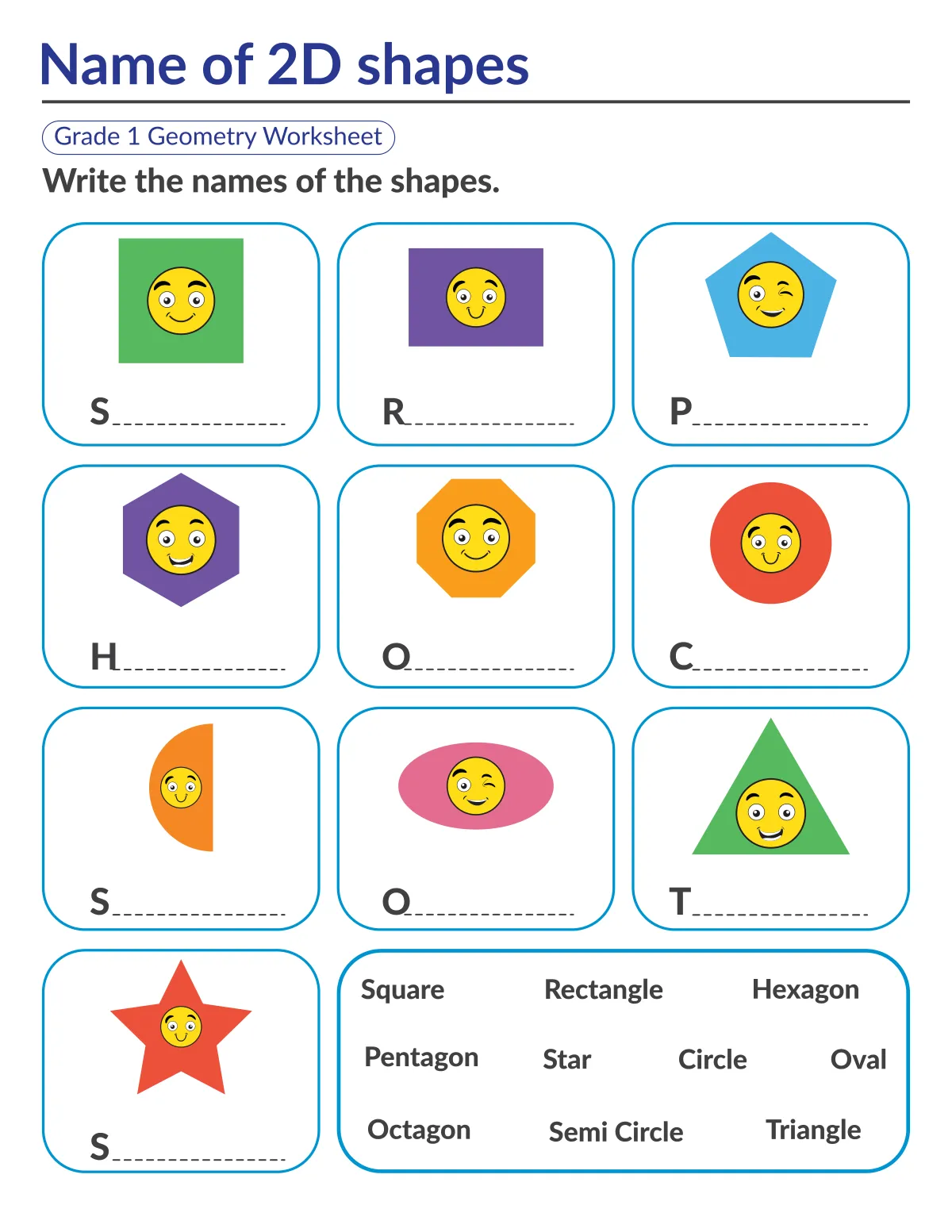
Before a child can identify letters or numbers, they need to be familiar with shapes. Circles, squares, triangles, and rectangles are everywhere—in toys, books, signs, and their environment. Recognising these shapes helps children organise their world visually and gives them the vocabulary to describe objects. This skill is closely linked to early geometry concepts, which research shows support later success in math.
But shapes aren’t just about math. Talking about shapes encourages language development too. When a toddler learns to spot and name a triangle, they practice new words and concepts—“three sides,” “pointed,” or “corner.” This kind of descriptive language builds the skills needed for reading comprehension down the line.
Practical Ways to Practise Shape Recognition at Home
So how do you turn shape learning into everyday fun? Here are some easy activities that weave shape exploration into your daily routine.
- Shape scavenger hunt: Take a small tote or basket and go on a ‘shape hunt’ around the house or garden. Find objects that match simple shapes, like a round clock, square cushions, or triangular slices of pizza. For a three-year-old, making it a game to collect one of each helps sharpen their recognition and vocabulary.
- Sorting and matching games: Use coloured paper cut into circles, squares, triangles and rectangles. Have your child sort them by shape, or match objects to the corresponding shapes. This hands-on sorting builds categorisation skills and visual discrimination.
- Shape art: Your toddler can create collages using pre-cut shapes from paper or foam. They’ll practice fine motor skills when picking up and gluing shapes and learn spatial awareness by fitting shapes together.
- Daily language integration: When you describe the world—“Look at the round sun!” or “Your book is a rectangle”—your child gains repeated exposure to shape names, which is key for retention.
These ideas are great starting points, but another helpful resource is the Shapes Busy Books, designed specifically for ages 2 to 5. The pages gently guide little hands to explore and name circles, squares, triangles and their friends through simple, engaging activities. Laminate the pages and use them repeatedly at home, on car trips, or while waiting at restaurants—making shape practice easy and portable.
Supporting Development Beyond Shape Names
If your child is just starting to name shapes, don’t push for perfection. It’s normal to confuse a circle with an oval or a square with a rectangle at first. The goal is familiarity, not flawless identification. Celebrate attempts and gently repeat names during play. The physical experience of tracing or manipulating shapes boosts fine motor skills needed for pencil grip too.
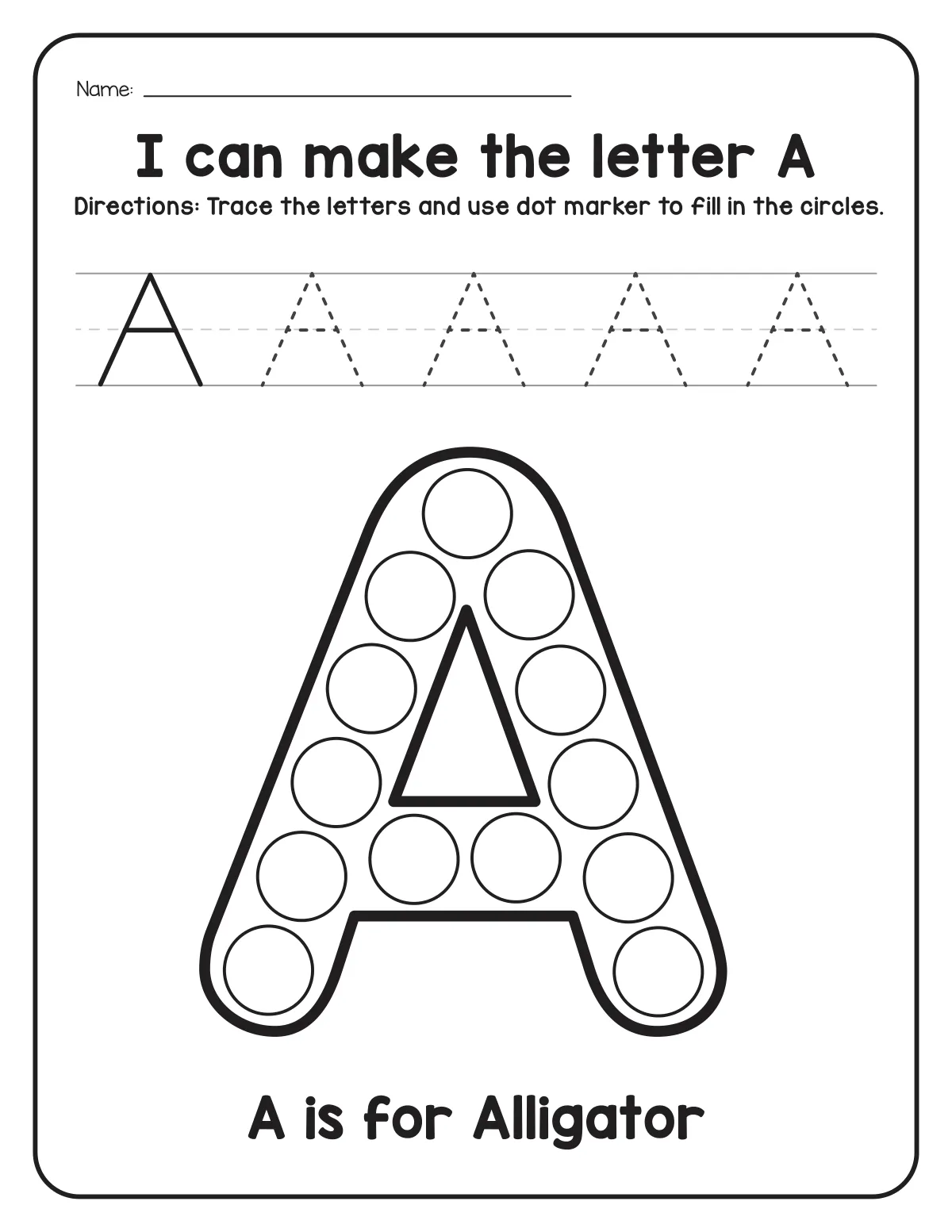
Also, watch for how your child uses shape knowledge in other areas. Around age 4 or 5, children might start spotting shapes in letters—like a triangle in the letter A or circles in the letter O. That’s a wonderful sign that shape recognition is paving the way toward literacy. Pointing this out through books and games helps connect the dots.
Finally, remember that every child’s pace is different. Some toddlers flood their vocabulary with shape names by age 2, while others take longer. Consistency over time—quietly embedding shape talk into everyday moments—builds a strong foundation they will draw on for years.
At its heart, shape recognition isn’t just a task to tick off. It’s a doorway into curious observation, language practice, and the sort of playful confidence that sets young learners up for a positive relationship with math and reading.