How To Practice Pencil Grip Every Day (Without Tears)
I watched my almost five-year-old, Emma, colouring fiercely inside the lines of her favourite fairy tale page. Her little fingers clenched the crayon oddly, and I knew we were months away from a proper pencil grip. The tricky bit? Getting her to practise holding a pencil without it turning into a tug-of-war every day. This struggle is familiar to many parents: you want to help your child develop fine motor skills, but short attention spans and frustration often get in the way.
Why pencil grip matters more than just neat handwriting
You might assume pencil grip is just about neat handwriting, but it’s much more than that. A correct grip allows your child to write longer without cramping, helps with drawing and colouring detail, and builds the hand strength needed for cutting, tying laces, or even using utensils properly. For kids aged 4 to 7, the right pencil grip lays an important foundation for school success and confidence. Without it, even holding a pencil for five minutes can feel exhausting.
Developmentally, children's muscles and coordination are still catching up. Expecting perfect grip overnight is unrealistic. Instead, the goal is gentle, consistent guidance sprinkled into daily activities that don’t feel like ‘practice’ to the child.
Quick, fun ways to build pencil grip muscles daily
- Playdough pinching and rolling: Ask your child to pinch tiny balls or roll snakes using their thumb, index, and middle fingers. Even five minutes a day helps build hand strength important for grip.
- Sticker picking: Have your child peel and stick small stickers on paper. It’s tricky for little fingers and encourages precise pincer movements.
- Squeeze toys and clothespins: Let them play with small squeeze balls or clip clothespins onto the edge of a box. Both require finger strength and control.
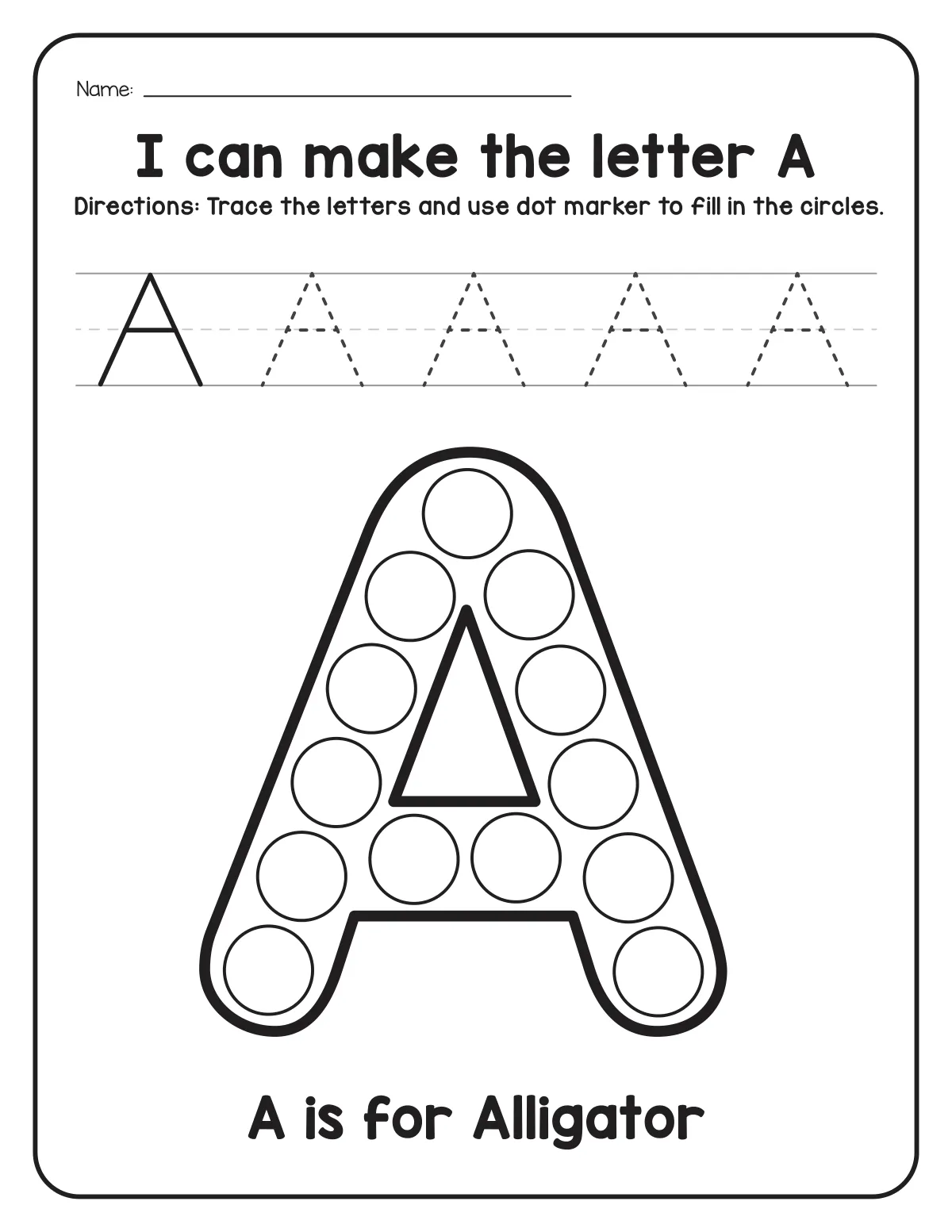
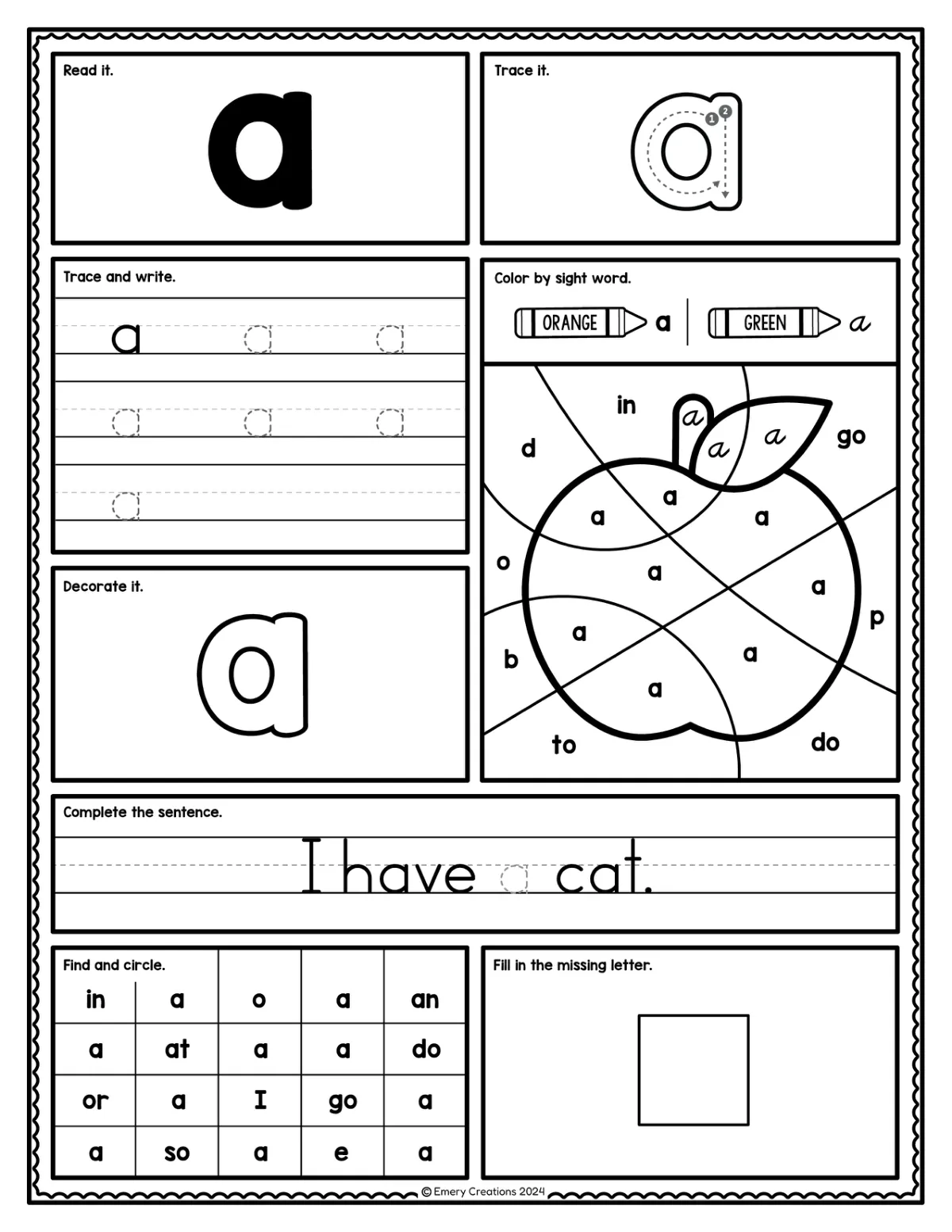
- Tracing and colouring: Provide thick crayons or triangular pencils that naturally encourage proper finger placement. Short sessions of colouring favourite characters keep practice playful.
- Everyday tasks: Encourage buttoning, unbuttoning, or opening snack packets with fingers. These moments add functional finger workout without extra fuss.
Try to keep these activities to five or ten minutes at a time. More than that, and your child may start to resist. Consistency beats intensity here. For example, my daughter likes sitting with her ‘morning stickers’ while I make breakfast—just 5 minutes but it warms up her fingers gently.
Weaving pencil grip practice into your child’s routine
Having a clear, simple plan helps keep things consistent without nagging. Setting up small daily moments that your child can look forward to makes a big difference. That’s why tools like the Kids Daily Planner are so handy. They help kids follow a predictable flow from breakfast to bedtime, and you can tailor it to include pencil-practice time or fine motor skill activities at a certain part of the day. The planner’s checklist design makes it fun and rewarding for kids to tick off little wins—building their independence while strengthening skills.
For instance, you might set a daily ‘morning fine motor’ slot after breakfast and a ‘colouring break’ after lunch. Because it’s written down and visual, kids start seeing pencil practice as just part of their day, not a chore.
If your child loves technology, you can even customise the planner digitally to add photos of favourite crayons, stickers, or scissors—tying skills to things they care about.
The other important part is patience. Some days your child will grip the pencil awkwardly again. That’s OK. Focus on encouraging the effort, not perfect form. Hand strength and dexterity improve gradually, often in bursts. Sometimes a break from formal practice and just playing with clay or tearing paper is the best thing.
Remember, pencil grip is one small part of a much bigger picture. It’s connected to your child’s confidence, comfort, and willingness to write or draw independently. By making practice feel like a tiny, enjoyable part of their daily flow—not a battle—you’ll help build skills and positive habits that last.