How Word Puzzles Sharpen Early Reading Skills
Picture a sunny Saturday afternoon. Emma, age 5, is sprawled on the living room floor, pencil in hand and a sheet of letter grids spread out. She’s hunting for the word “CAT,” scanning rows and columns. Her big brother leans over, pointing at a cluster of letters. The smile that breaks across her face when she spots the word is small but triumphant. Moments like these—where children slow down to focus and connect letters to sounds—are golden for early reading development.
Why Word Puzzles?
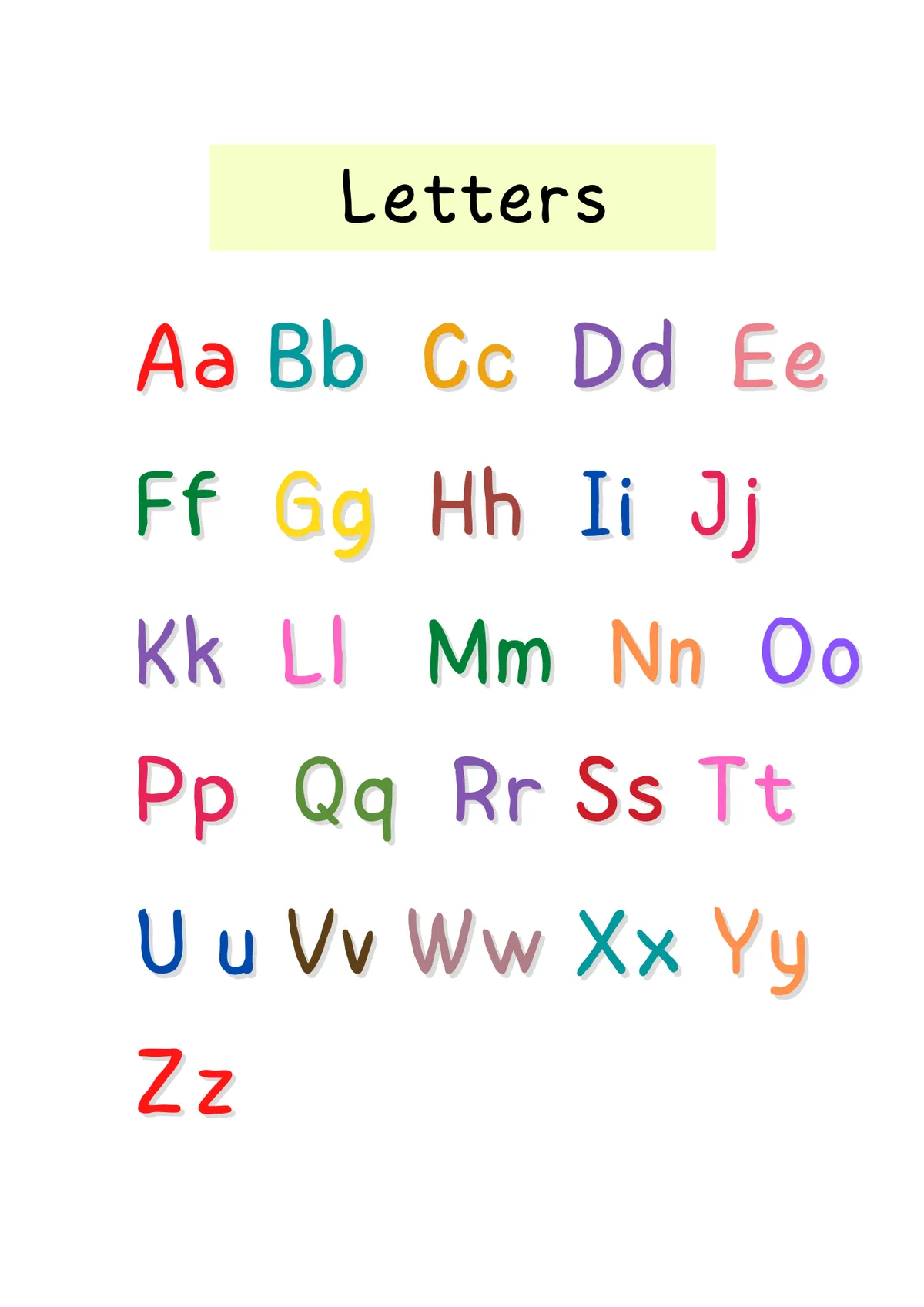
Word puzzles, especially those designed for young children, are not just fun ways to pass the time. They encourage kids to practise very specific early reading skills: letter recognition, sound-letter matching, and visual scanning. Children aged 4 to 8 are uniquely suited to benefit from these activities because they are at the cusp of moving from letter awareness to reading fluency.
Unlike flashcards or repetitive reading drills, word puzzles require children to slow down and examine letters carefully. This scanning process activates their brains differently—engaging their visual discrimination and pattern recognition skills as well as phonemic awareness. It’s a subtle but powerful way to deepen their connection with words.
Practising Letter Sounds and Visual Focus
For many kids, sounding out words is tricky because it demands juggling several skills at once. Word puzzles break this down naturally. When a child spots the letter ‘C’ and follows it to ‘A’ and ‘T,’ they practise blending simple sounds in a low-pressure setting. The act of searching trains concentration—helping children focus their eyes and attention for longer periods, a skill essential for reading success.
Try this at home: pick a puzzle that features familiar words—animal names, colours, or foods. Sit with your child and sound out each letter as you find the word. Encourage them to say the sounds aloud. This shared experience makes the process joyful and reinforces phonics without pressure.
Hands-On Tips for Word Puzzle Success
- Set a timer for five to ten minutes to keep sessions short and fun—little ones can get frustrated with longer tasks.
- Use a highlighter or coloured pencil to mark found words—it turns the search into a colourful treasure hunt.
- Mix in a few new words alongside familiar ones to gently stretch vocabulary without overwhelming.
- Read the words aloud together after finding them to build confidence and fluency.
- Rotate puzzles regularly to introduce new sounds, letter patterns, and themes.
Even kids who are hesitant readers find word puzzles less intimidating than a blank page. The clear goal—locate a word—gives them purpose. And because words are embedded in a playful grid, the “work” feels more like a game. This subtle motivation helps kids develop persistence, an often overlooked but vital early learning skill.
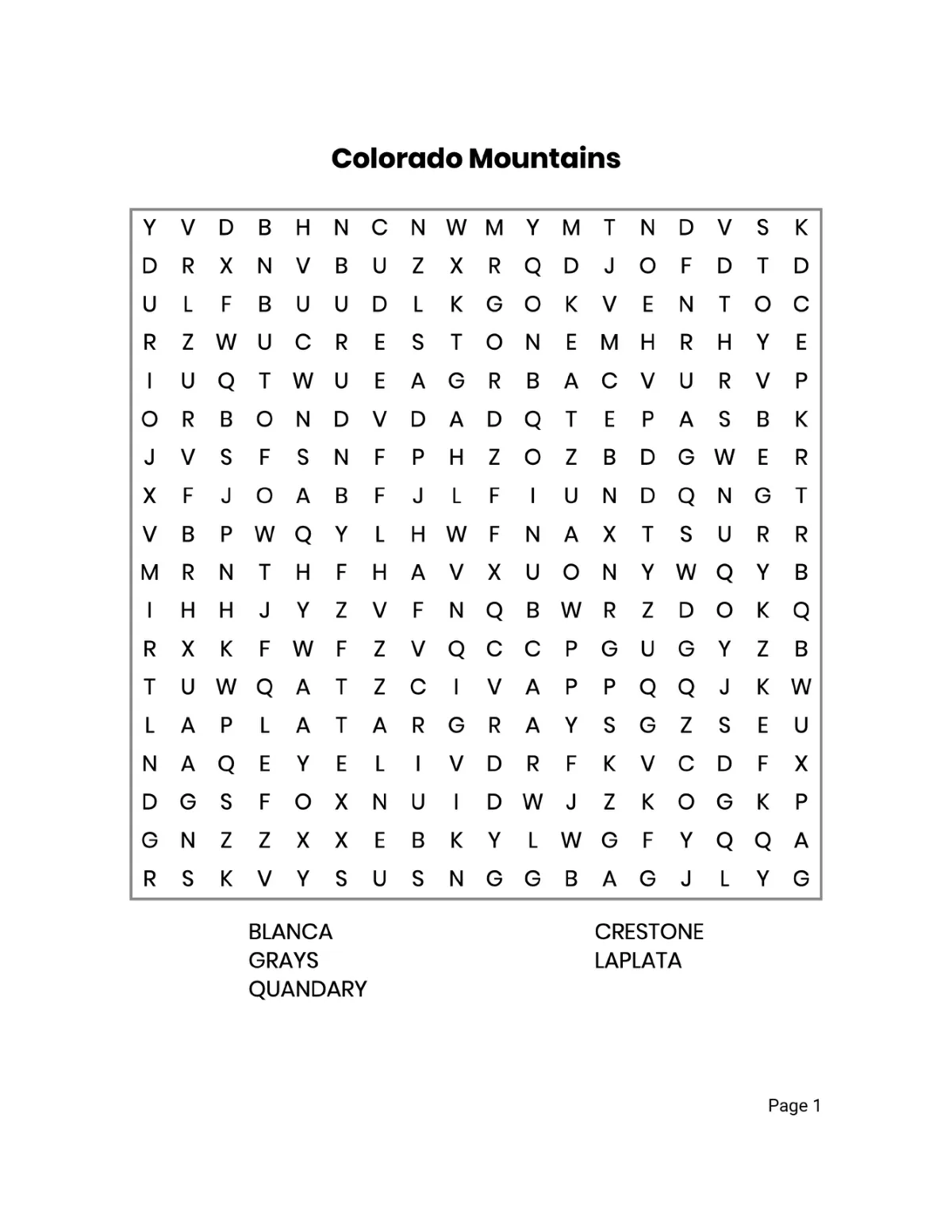
For quiet moments at home or car journeys, using resources like WORD PUZZLES 1 can fit seamlessly into your routine. These puzzles, made just for ages 4 to 8, provide ample practice spotting letter patterns and words, helping kids slow down and engage thoughtfully with language.
If you have a 4-year-old just starting to recognise letters, focus on simpler puzzles with large, clear fonts and familiar words. Older children, around 7 or 8, can tackle more complex grids with longer words to challenge their decoding and vocabulary skills. Watching their eyes light up as they crack each puzzle is a quiet reassurance that early reading skills are growing strong.