Morning, Bedtime, and Chores: Real Routines That Actually Work
It’s 7:15 a.m. The kitchen table is already sprinkled with cereal bits, a half-finished puzzle, and a small stack of crayons. Your four-year-old is tugging on your sleeve, asking for ‘just five more minutes’ while you’re trying to get everyone dressed and out the door. Sound familiar? Mornings with young children rarely go as smoothly as we hope. The key isn’t perfect order—it’s routines that work for real life, chaos included.
In our house, mornings used to be a battleground—teeth brushing was a negotiation, getting dressed was a standoff. What transformed those frantic starts wasn’t a schedule etched in stone but small, manageable steps that match my kids’ ages and personalities. For example, my five-year-old now has a ‘morning station’ with a tray of toothbrush, toothpaste, and floss, so she can start her routine independently. The sense of ownership matters more than speed.
Morning Routines That Respect Young Children’s Pace
For children aged 2 to 5, expect frequent interruptions—requests for help or little detours to explore a bug on the windowsill. Keeping a morning routine flexible helps. Instead of demanding the entire routine be completed perfectly before breakfast, break it into chunks. For example, ‘first we get dressed, then we brush teeth, then it’s breakfast.’ Visual charts with pictures can help non-readers see what comes next. And don’t underestimate the power of a song or gentle timer to hold attention.
Bedtime Routines That Help Kids Wind Down
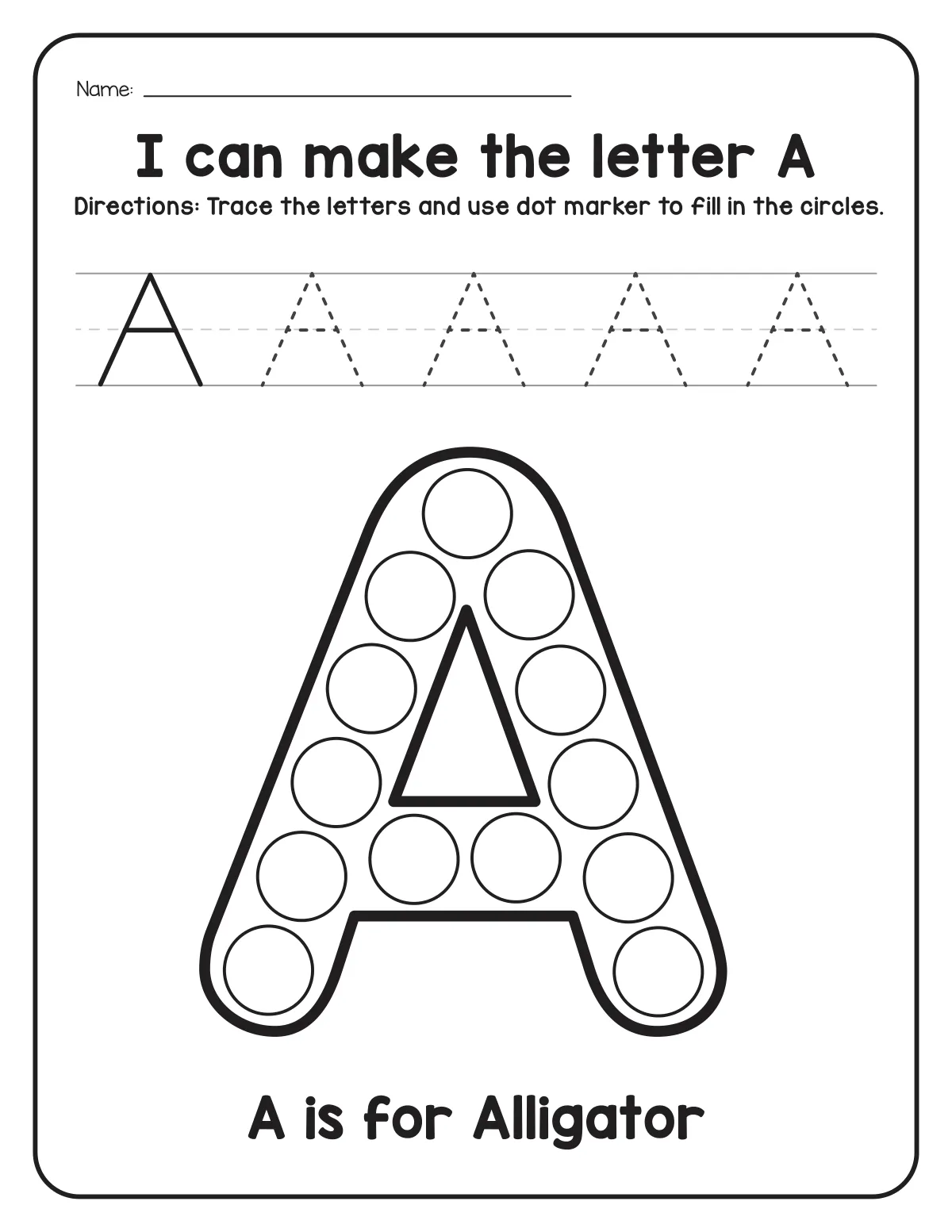
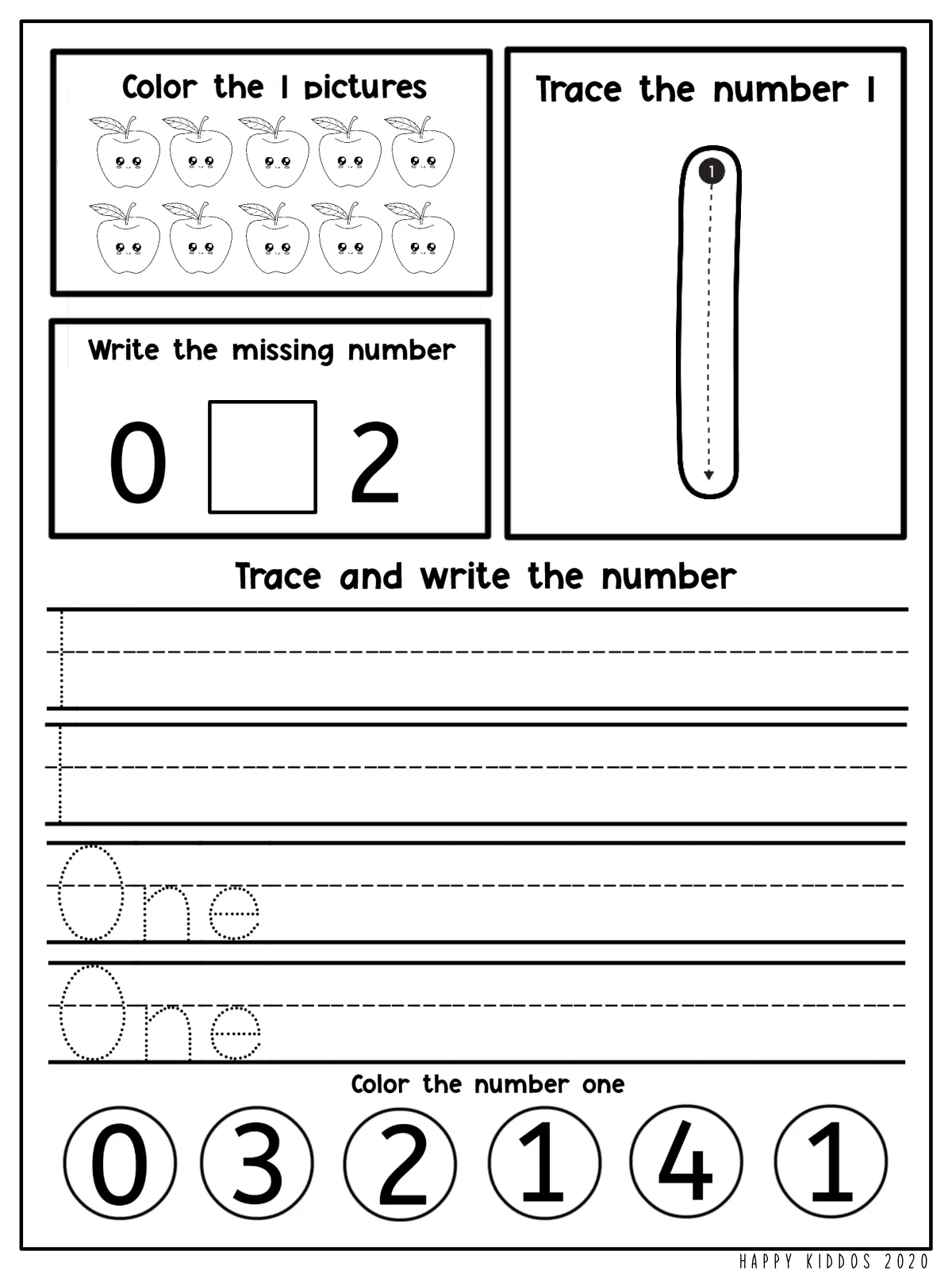
Bedtime often feels like a marathon with toddlers and preschoolers. Instead of rushing from bath to bed, build in calming activities that signal the end of the day. We start dimming lights 30 minutes before bed, then read a story, sing a quiet song, and finally an extra moment of cuddles. Sometimes, a mixed activity like those found in the Random Activity Book can be a soothing way to focus a child’s energy before lights out. A new dot-marker page or simple drawing can engage little hands without overstimulating.
Keep in mind that consistency is more important than exact timing. It’s normal for an occasional bedtime to go off track—what counts is returning to the routine the next night without stress or punishment.
Chores and Transitions: Teaching Responsibility with Fun
- Use songs or timers to make clean-up into a game: 'Let’s see if we can put the toys away before this song ends!'
- Create simple, age-appropriate chore charts with pictures for kids aged 3 to 6—emptying a small waste bin, putting clothes in the hamper, or feeding a pet.
- Praise effort, not perfection. A toddler’s attempt to put toys away might not be perfect, but the habit is what matters.
Transitions between activities challenge many young children. From snack time to learning time, having a clear cue like a special bell or a ‘transition box’ with small activities (puzzles, colouring sheets, or simple drawing pages) helps children shift gears smoothly. The variety keeps things fresh and holds their interest longer.
Real-life routines that stick are those that balance structure with flexibility and meet children where they are. Using tools like visual schedules, gentle timers, and an ever-changing supply of easy activities can reduce daily battles and help kids feel capable and calm—whether it’s getting ready in the mornings, winding down at bedtime, or tidying up their own space.