Real-Life Routines That Make Mornings and Bedtime Easier
You know that frazzled moment when a three-year-old stalls endlessly over putting on shoes or refuses to brush teeth at bedtime? Routines sound straightforward on paper, but for families with little kids aged 2 to 6, consistency is the real hurdle. I’ve watched many parents try complicated charts or timers, only to find their child more resistant. The secret? Keeping routines simple, predictable, and tied closely to what the child actually understands and enjoys.
Morning Routines That Don’t Feel Like a Battle
Mornings with kids under six can feel like a race against the clock. The key is to break down each step into small, manageable tasks, and keep expectations clear. For example: getting dressed. Instead of saying “Get dressed,” try “Choose your red shirt or blue shirt.” Offering a choice gives kids a sense of control, which they crave. Even better, create a simple visual checklist with pictures — shoes, socks, shirt — so they can tick or point as they go.
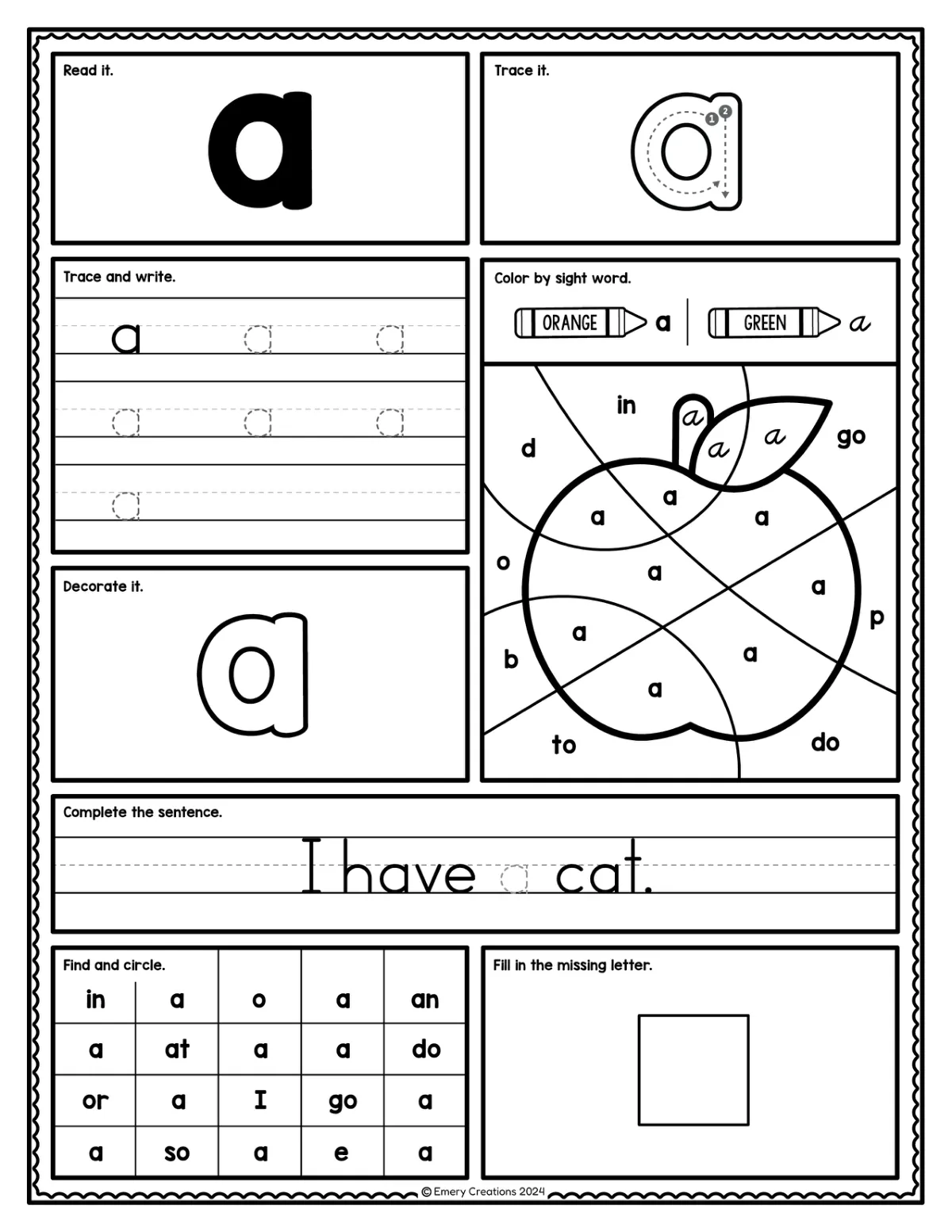
Another trick? Build learning into these routines. Reading a simple ‘good morning’ phrase or a pre-primer word while breakfast is being prepared can spark that joy in reading without pressure. Just five minutes practicing sight words during morning prep can make a huge difference. Small snippets like this are what build familiarity, turning those words into friends rather than strangers. Sight Words has some great, short pages designed for precisely this kind of quick, daily practice.
Bedtime Routines That Bring Calm and Comfort
You’ve probably experienced the bedtime stalling marathon. Getting kids to settle down is about creating a predictable sequence they know will end in rest. Start winding down 20 minutes before lights out with quiet activities—puzzles, reading, or chatting about the day. Keep screens out of the equation; they often ramp up energy instead of soothing it.
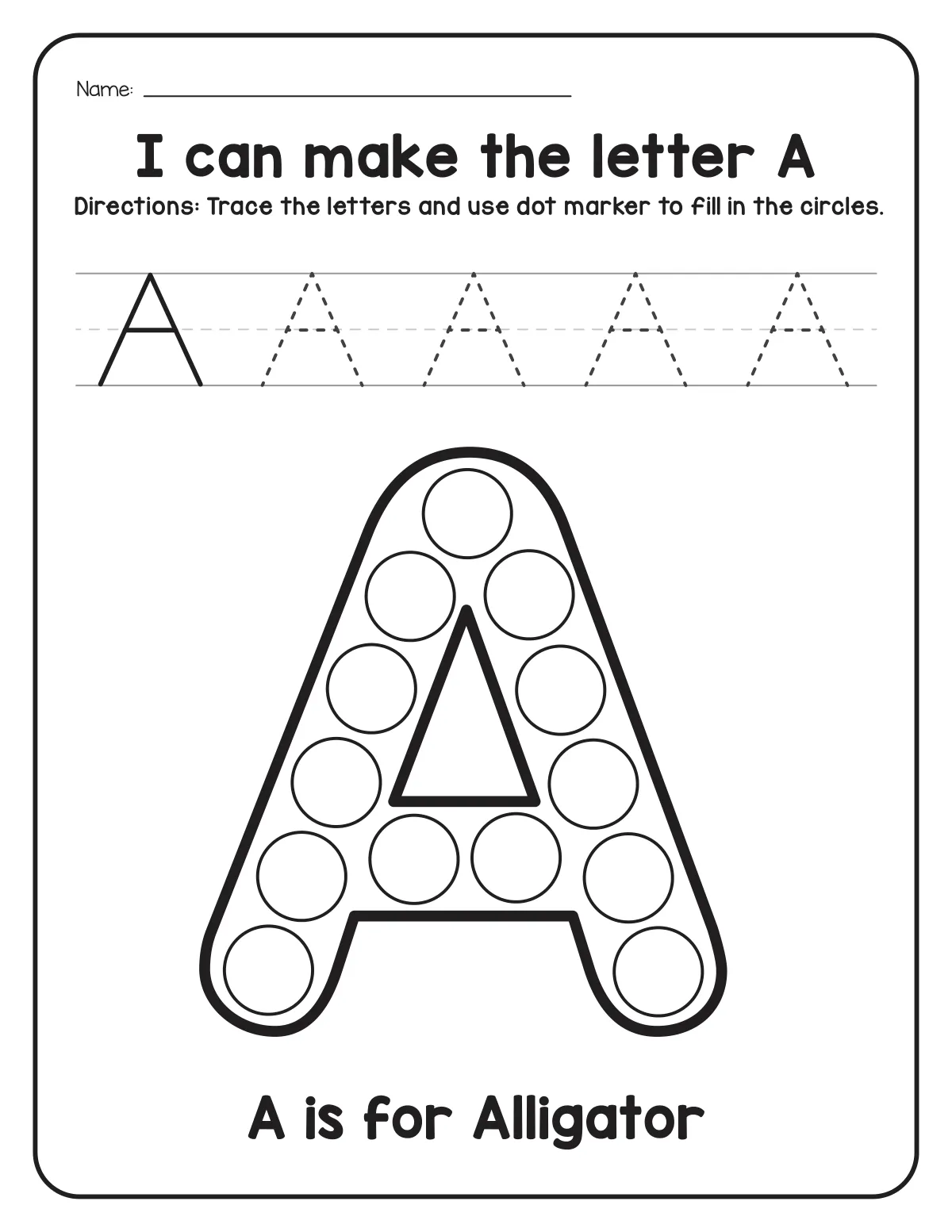
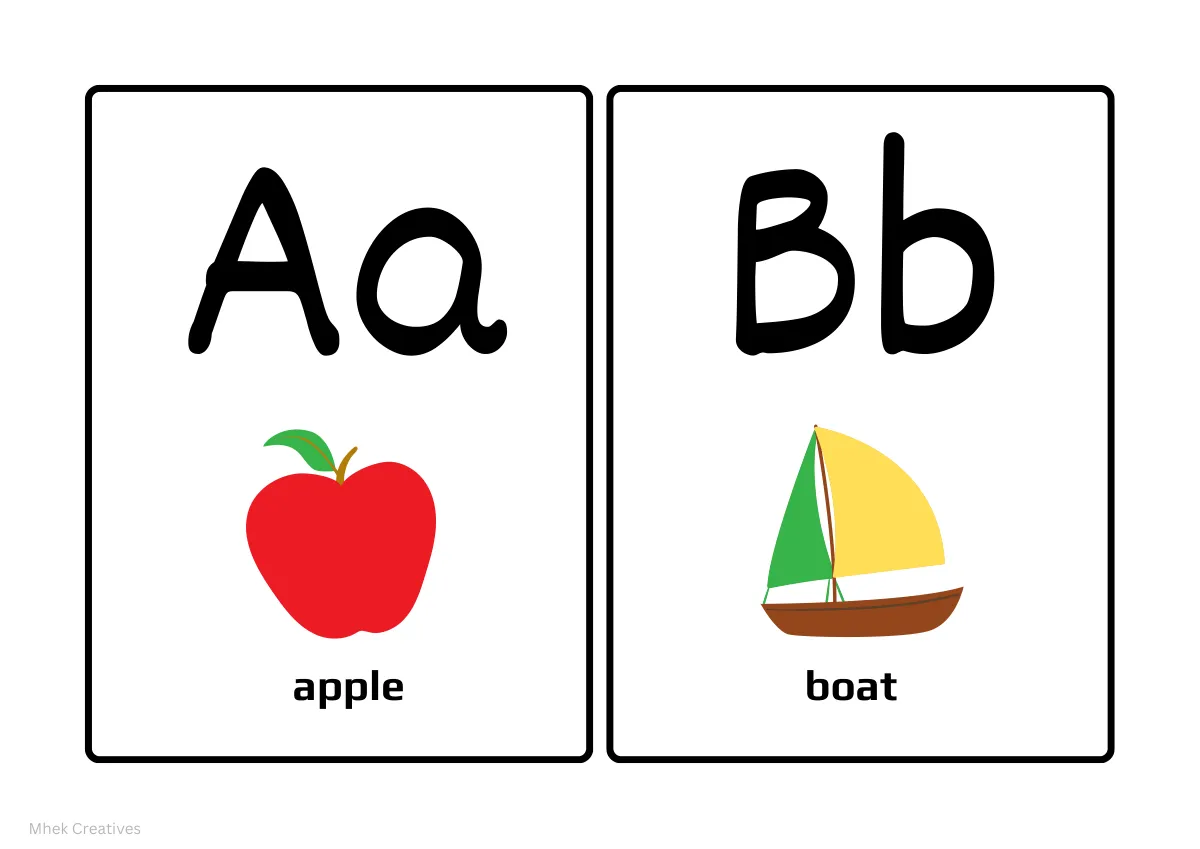
Many parents find success with a comforting bedtime ritual: dim lights, a favourite blanket, a short story. Even something small like naming the letters or words on a favourite book cover helps transition the mind from play to rest. These moments connect learning and calm, reinforcing both at once.
Chores and Transitions: Small Tasks, Big Wins
Chores don’t have to be a chore for little kids. Framing them as fun challenges or games encourages participation. “Let’s see if you can put your toys away before I finish counting to ten” turns tidying into a playful race, for instance. At ages 3 to 5, kids delight in earning simple rewards, like stickers or an extra bedtime story.
- Set clear, simple expectations for each task.
- Use visuals like picture schedules or labelled bins.
- Praise effort, not just completion.
- Keep chores brief — 5-10 minutes max.
- Use routines consistently to avoid ‘nagging fatigue.’
Transitions between activities are prime moments for frustration—like switching from play to tidy-up or from dinner to bath. Try giving a two-minute warning with a gentle countdown. Singing a clean-up song or having a favourite transition toy often helps little ones move along willingly.
At the heart of successful routines with young children is patience and realistic expectations. Not every day will be smooth, and that’s okay. What matters is creating predictable moments that help kids feel secure and capable. When children see familiar words, such as common sight words, regularly in these routines, it builds foundational literacy effortlessly—no stress, just steady growth.