Routines That Actually Work: Mornings, Bedtime, and Busy Chores with Little Kids
On a Tuesday morning, 5-year-old Lily races down the hallway in her dinosaur slippers, clutching her favourite dinosaur toy. Her mum reminds her gently that breakfast is waiting—and that after breakfast, there’s a neat little task: counting out her spoons and plates before setting the table. No yelling, no rushing, just a calm rhythm that lets Lily feel involved and in control.
Why Real-Life Routines Matter More Than Perfect Ones
Everyone talks about routines, but no one mentions how many times they fall apart or need improvising. With kids between 2 and 6, expecting a flawless, rigid timetable often backfires. Instead, routines that work are flexible, predictable, and—crucially—include kids in small tasks they can manage. It’s a far cry from ticking off ‘do this, then that’ lists. Routines become less about control, more about connection and consistency.
Morning routines might start with simple steps like getting dressed, brushing teeth, and unpacking a backpack—but it’s the little extras, like a counting game while collecting clothes, that can turn resistance into engagement. For example, counting socks or matching colours can add a playful moment to what usually feels like a rushed chore.
Chores as Learning Moments, Not Power Struggles
Chores with toddlers and preschoolers rarely go perfectly, but they’re golden opportunities to build skills. Instead of framing tidying up as a boring task, make it a game. Sorting laundry by colour or counting how many toys fit in the box gives purpose and clarity. These small wins reinforce confidence, attention to detail, and early math concepts.
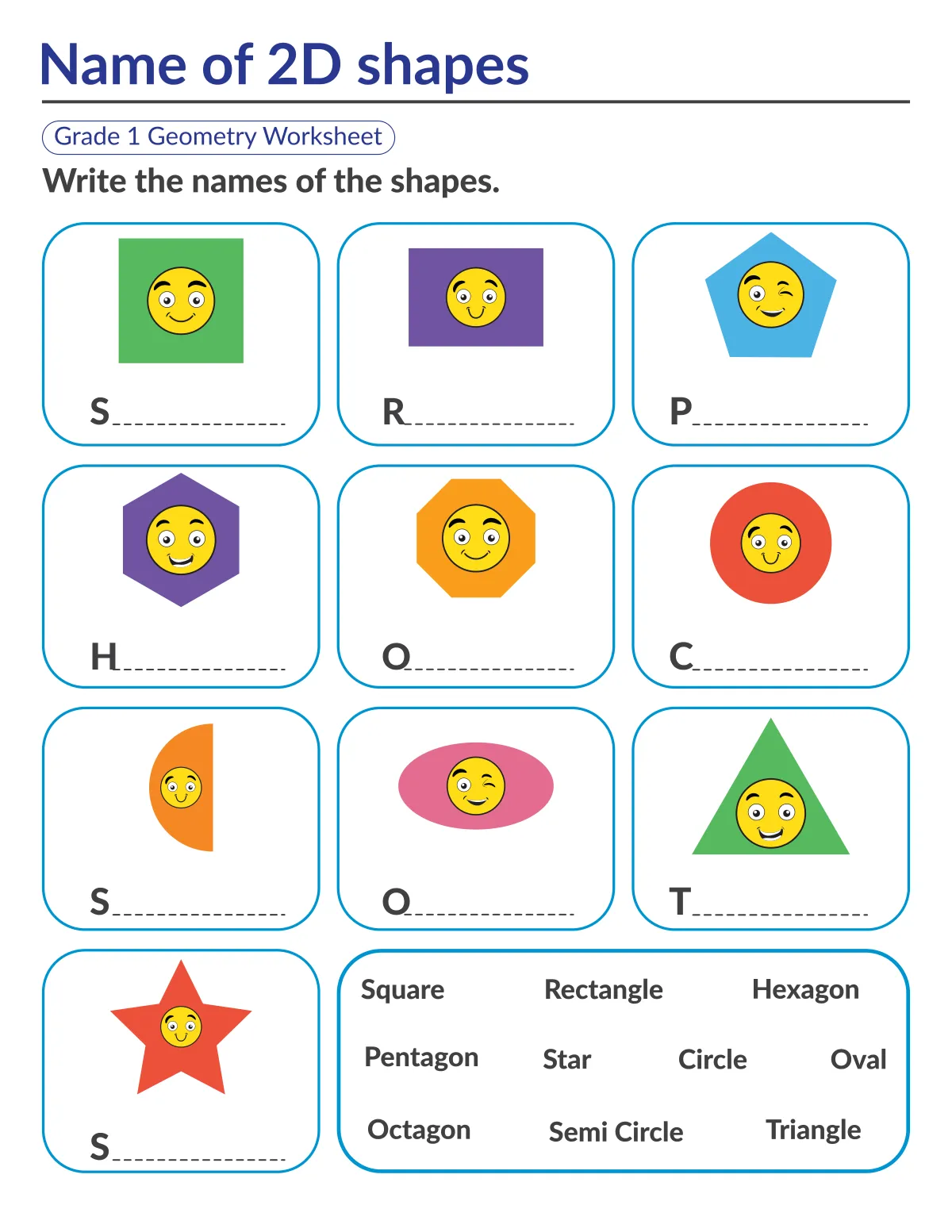
I’ve found that slipping in simple counting, comparing, or sorting challenges around chores makes a tangible difference. For instance, in my own home, 4-year-old Josh loves lining up spoons before we put them away, practicing numbers without it feeling like a drill. A resource like Math Activity Worksheets can be a helpful follow-up for quiet times or rainy afternoons, reinforcing those early number skills gained during daily routines.
Bedtime Routines That Calm and Prepare for Sleep
Bedtime isn’t just about brushing teeth and getting into pyjamas. It’s about winding down, shifting gears, and feeling safe. Many parents find their littlest kids resist sleep time—not because they’re defiant but because their brains are still buzzing from the day. A gentle, consistent routine that includes a low-key activity, like a quiet story or even a simple puzzle, can help signal it's time to slow down.
One trick I’ve witnessed work well is choosing calming activities that also subtly reinforce skills learned during the day. For instance, after bath time, doing a few simple counting games or sorting objects before storytime can create a peaceful transition while keeping the brain engaged just enough to feel satisfied—not restless.
- Keep routines simple and predictable, but allow for wiggle room.
- Include hands-on tasks appropriate to your child’s age and interests.
- Turn chores and transitions into games with counting or sorting.
- Use quiet activities before bed to gently signal the day’s end.
Routines that suit your family’s pace, not some ideal standard, are the ones that last. They bring a new rhythm to daily life—less stress, more smiles, and small moments where learning fits naturally in. It’s not magic. It’s real life with little kids.