Simple Screen-Free Activities for Busy Days and Travel
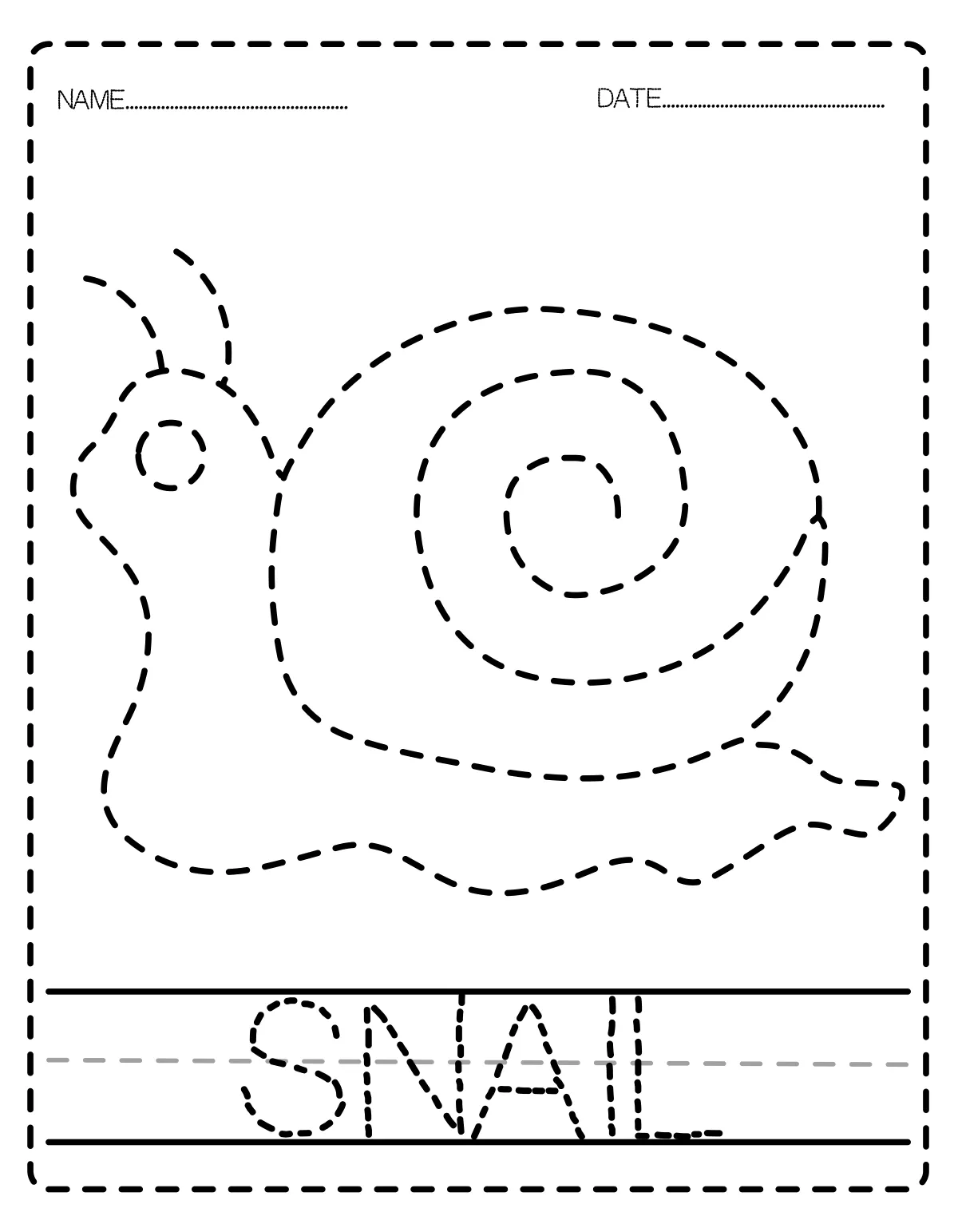
Last Saturday, as the rain pounded against our kitchen windows, my 5-year-old and I found ourselves stuck indoors with very little to do. After a few rounds of her favourite puzzles, I pulled out some sheets with letter tracing exercises I'd prepared earlier. One by one, she traced the letters, chatting about which words start with each letter. She was calm, focused, and happily occupied for nearly 20 minutes — far longer than I’d expected for a simple rainy afternoon.
That moment reminded me how easy it is to pull out small, screen-free activities that fit right into a busy day. Whether you’re navigating a long car journey, passing time in a waiting room, or simply seeking a quiet activity on a dreary afternoon, these low-prep ideas can keep young children, especially those aged 4 to 6, engaged without any screens or hassle.
Why Screen-Free Activities Matter for Early Learners
Kids around ages 4 to 6 are at a prime stage for building foundational skills like letter recognition, fine motor control, and early reading. Long stretches of screen time can sometimes overstimulate or frustrate children, potentially hindering their natural curiosity and concentration. Offering simple hands-on tasks instead helps children practise skills while also learning to focus and relax. Plus, it’s a wonderful way to connect with them in real time.
Pick activities that can be done in short bursts — 10 to 20 minutes is often the sweet spot. It’s better if the materials are easy to carry or pull out on the spot. This way, parents and carers can quickly respond to those pauses in the day when kids feel restless or bored.
Low-Prep, Screen-Free Ideas for Travel and Waiting
- Letter Tracing and Matching: Bring along a small notebook with letters already printed or lightly outlined for tracing. Young children can use coloured pencils or crayons to trace shapes and practice letter names. You can even turn it into a game of finding objects nearby that start with each letter.
- Simple Drawing Challenges: Carry a mini sketchpad and encourage kids to draw things around them — a cloud, a cup, or a favourite toy. Ask them to give their drawings a name and sound out its first letter, building connections between letters and words.
- Story Starters: Use a small dice or spinner with pictures (you can print one from home) to prompt very short stories. For instance, if the dice lands on a sun, a cat, and a tree, the child can say or draw a sentence like 'The cat sits under the tree on a sunny day.'
- Find and Count: Whether in a restaurant or on a bus, challenge kids to quietly count certain objects — blue chairs, red cars, or number signs. This keeps their eyes alert and minds engaged without screens.
- Sticker Games: Bring a few sheets of stickers and a blank notebook. Children can create scenes or practise putting stickers next to matching letters, numbers, or shapes you call out.
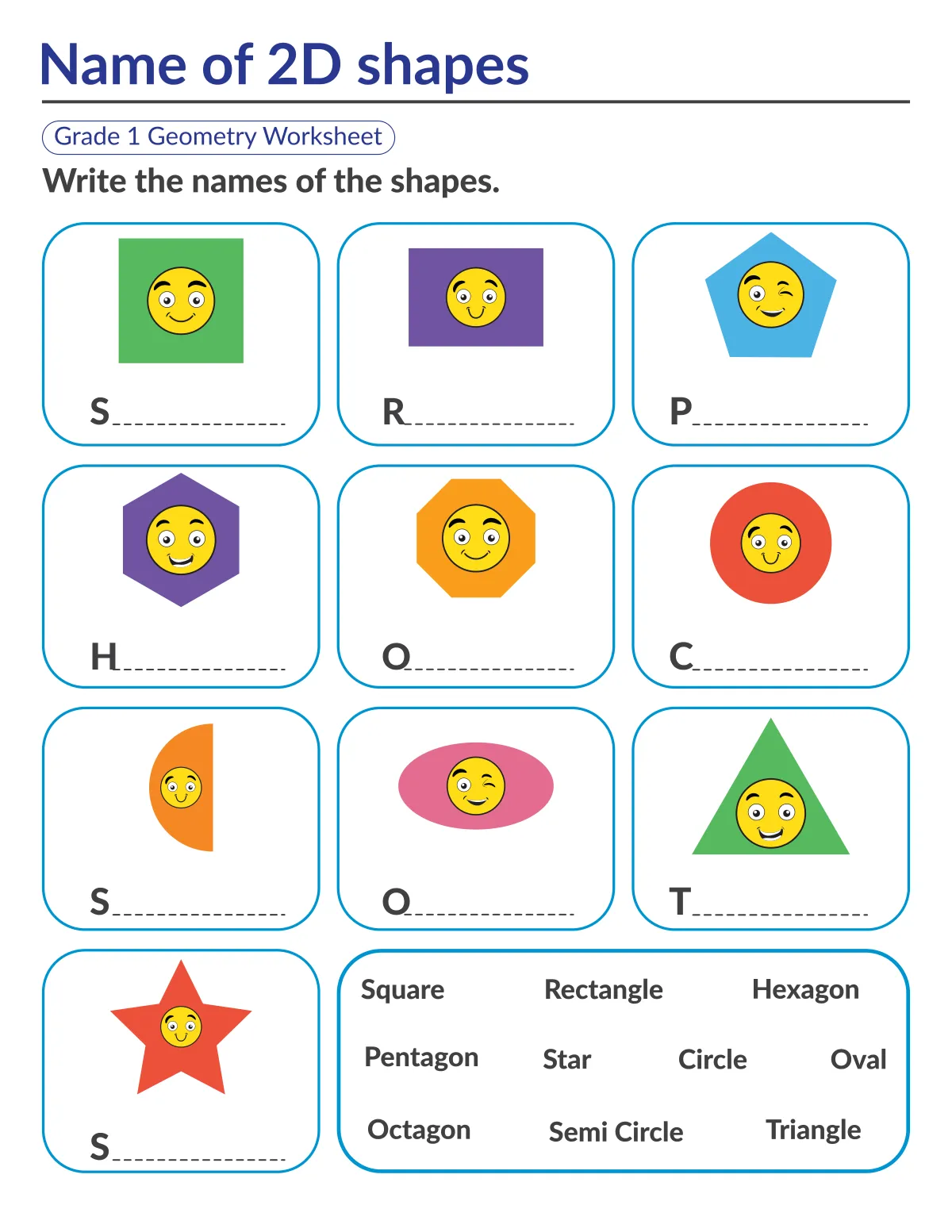
- Printable Worksheets: Packs like Worksheets for Kindergarten offer ready-made pages focusing on alphabet tracing, letter matching, and early reading tasks that can be printed quickly and used on the go.
Practical Tips to Make It Work
Keep your kit lightweight and simple. A clear zip bag with a small notebook, a few pencils or crayons, a couple of stickers, and a folder with loose worksheets fits neatly into a backpack or handbag. Rotate activities so kids don’t get bored—one day it’s tracing, another day it’s sticker stories.
If the activity is new, introduce it at home first. That way, children know what to expect and feel confident using the materials when out and about. Also, don’t expect perfection. Some days a child might lose interest quickly, and that’s okay. The goal is to make these moments fun and unrushed rather than a strict learning session.
Finally, let kids see you involved, too. On a long drive, try tracing letters or drawing alongside them. Your enthusiasm is contagious and helps the activity feel more like a shared adventure than a chore.
With a bit of preparation, your everyday slow moments transform from battling boredom into mini opportunities to nurture early literacy and creativity — and, importantly, enjoy calm, screen-free time together.