Simple Ways to Build Early Subtraction Skills at Home
Last week, I watched my six-year-old son, Max, drop his little toy cars one by one onto the floor. As he lined them up, he said, “I have eight cars. If I put three in the box, how many are left?” His face lit up when I helped him count the remaining cars out loud. That simple game wasn’t planned, but it perfectly captured how a careful adult can turn daily moments into powerful subtraction practice.
Why Subtraction is a Big Deal for Early Learners
For children aged 4 to 8, subtraction can feel tricky because it asks them to think backward—taking away rather than adding or just counting forward. It requires solid number sense, good concentration, and sometimes strong fine motor skills to physically manipulate objects or write down answers. Helping kids practise subtraction early lays the groundwork for more complex math, boosting confidence and reducing anxiety around numbers.
Children learn best when they can see and touch the numbers they're subtracting. That’s why hands-on practice is so effective. For example, if your child has seven grapes and you eat two, counting the remaining grapes is a concrete way for them to understand “take away.” It’s far better than abstract numbers on a page alone.
Tactile Tricks for Practising Subtraction Skills
One of the simplest ways to build subtraction skills is to use everyday items you already have. Think small counters like buttons, coins, or raisins. Let your child arrange five or six items, then ask them to remove a few and count what’s left. It’s a quiet, focused activity that also gives their fingers a workout. For younger children, narrate the process: “You had six buttons. You took away two. How many do you see now?”
Games are a great motivator. Try this at the dinner table: start with ten cherry tomatoes on a plate. Each time someone eats one, ask, “How many tomatoes are left?” This not only practises subtraction but also encourages turn-taking and listening.
For children who love stories and role-play, create subtraction scenarios using favourite toys. For example, with stuffed animals, say, “Five teddy bears are having tea. Two need to leave for a nap. How many are still at the table?” Storytelling gives subtraction a context that makes the concept easier to grasp.
Writing Subtraction Numbers with Confidence
Once your child is comfortable with physical objects, gently introduce writing subtraction problems. Start with simple number sentences like 5 - 2 = __, and let them fill in the answer. It’s normal for younger kids to find pencil grip or number formation tricky, so keep practice sessions short and playful.
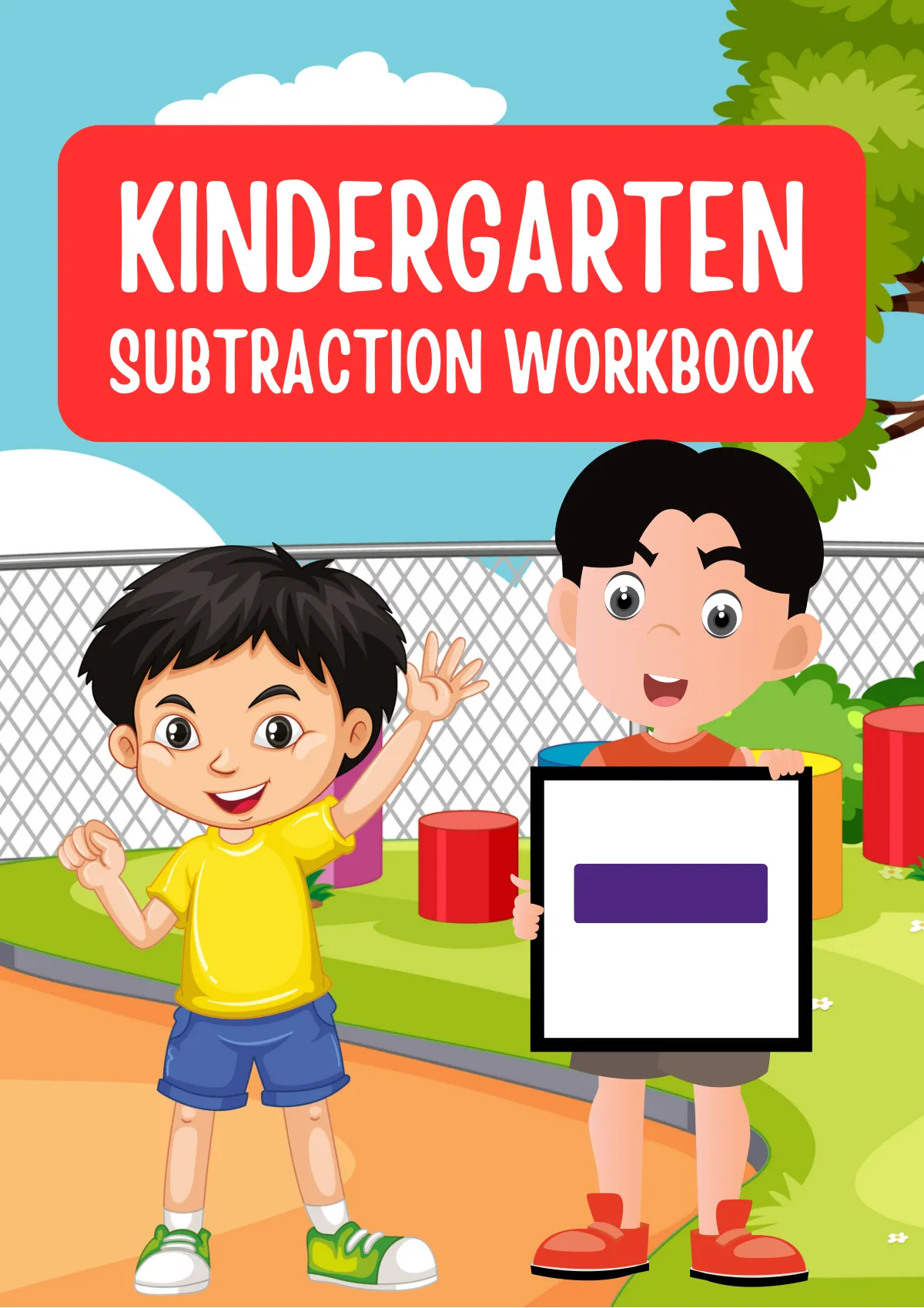
You can support this progression with guided worksheets that gradually build skills, offering visual cues and clear steps. For instance, the Subtraction Workbook for Kids is designed to help children aged 4-8 work through subtraction in small, manageable chunks. Its colourful pages encourage counting, crossing out items, and seeing subtraction as a concrete action — which makes the whole thing much less scary.
Don’t be discouraged if your child gets mixed up or confused at first. Counting out loud together, using fingers, or drawing dots can all help them connect the idea of ‘taking away’ to a visible change. Praise the process rather than perfection.
Tips to Keep Subtraction Practice Fun and Stress-Free
- Keep sessions brief—10 to 15 minutes is plenty, especially for 4- and 5-year-olds.
- Use real objects your child enjoys, like toys, snacks, or coins.
- Include movement—try jumping or clapping to count subtraction steps for active learners.
- Include siblings or friends to turn subtraction into a social game.
- Celebrate effort, not just correct answers, to build confidence.
At the end of the day, subtraction doesn’t have to be a formal lesson or a scary concept. It’s about helping kids understand change and quantity through everyday play and interaction. When parents and educators keep it concrete, visual, and connected to real life, kids develop a solid skill they’ll use throughout school and life.