Tiny Steps to Smooth Mornings and Calm Bedtimes with Little Kids
Some mornings start serenely, with a cup of tea and a quiet house. By 7:30, however, three-year-old Mia is tugging at her favourite blue socks, insisting on wearing them to nursery despite the warm weather. Her mum, juggling breakfast and last-minute packing, braces for the chaos. This scene is all too familiar for families with little children, and it highlights the challenge of creating routines that stick without turning into battlegrounds.
Why routines matter (but only if they fit your child)
Tiny children rely on predictability; routines give their days shape and comfort. But a routine isn’t a rigid script. It’s a flexible rhythm that matches your child’s temperament, interests, and developmental stage. What works for a calm five-year-old might be torture for an energetic three-year-old. The key is to find tiny steps that your child can master. For example, rather than “get dressed,” break it down to “find socks” then “put on socks.” Celebrate those wins. This approach builds confidence and cooperation.
Morning success: small, visible, and just-right steps
The morning rush feels relentless, especially when your child is not ready to jump from sleep mode to ‘go-go-go’. Visual cues can help enormously. Try a picture chart with just three simple tasks: brush teeth, get dressed, eat breakfast. Make the chart big and colourful, placed at your child’s eye level. Toddlers and preschoolers love ticking off each step or moving a peg to ‘done’. Younger toddlers might prefer you narrating the process aloud, like “Now we put the socks on your feet!”
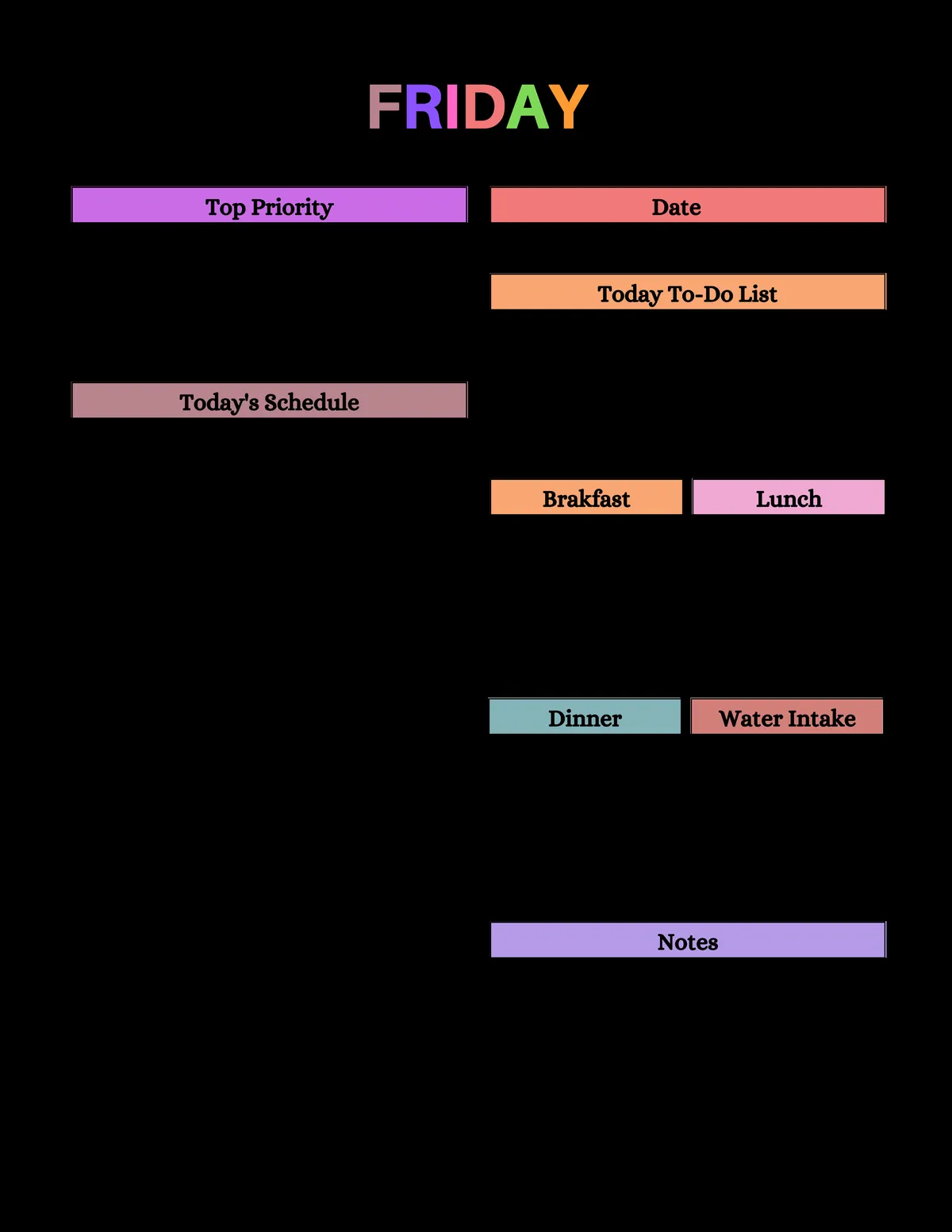
If your child is starting school or nursery, consider tools like the School Planner for Kids Canva. This allows you to craft a personalised weekly layout, making mornings more predictable by slotting in homework, reading time, or reminders that match your child’s specific needs. Customised planning helps children aged 4-8 feel their days are understandable and controllable.
Bedtime routines: consistency with a touch of calm
Bedtime for little kids often feels like a marathon. That final push can involve multiple requests, renegotiations, and a range of stalling tactics. Here, a predictable, gentle routine is your best ally. Try to start the process at the same time each night, dimming lights and lowering noise levels. Include just two or three calming activities — a bath, stories, or singing favourite songs. Keep the routine brief; too many steps overwhelm little brains and bodies.
You might find a short visual schedule useful here too. Some parents share a small photo board by the bed, showcasing “bath, story, sleep.” Over a week, kids internalise the sequence and transition smoothly from activity to activity, reducing resistance and anxiety.
Chores and transitions: make them playful and achievable
- Turn tidying up into a game — challenge your four-year-old to ‘beat the clock’ by putting away all the blocks before a timer runs out.
- Use simple songs for transitions, like a ‘cleanup song’ or a ‘get ready for bed’ tune, which signals it’s time to change activity.
- Give age-appropriate chores, such as sorting socks or wiping low surfaces. When children feel helpful, they cooperate more willingly.
- Use a timer or hourglass for visual sense of time passing; this is magic for three- to six-year-olds who struggle with abstract time.
Remember, no routine is perfect every day. Some mornings will be rushed, some bedtimes frazzled. What matters is the overall rhythm you build — one where your little child feels steady, capable, and safe as they move through their day.