Understanding Alphabet Milestones: What Your 4- to 6-Year-Old Should Know
Picture a bright kitchen table scattered with crayons, a few sheets of paper, and your 5-year-old carefully colouring in a large letter B next to a friendly bear. The quiet concentration on their face tells you this isn’t just about staying busy; it’s a small but mighty step in their journey to understanding letters. At this age, children are hitting alphabet milestones that don’t always make the headlines, yet they shape future reading success.
It’s easy to get caught up in comparing your child to others or stressing over whether they ‘know all the letters yet.’ But knowing what’s typical for 4- to 6-year-olds can feel reassuring and even surprising. For example, many kids at this stage can recognise 15 to 20 letters, but fewer can name or write them all perfectly. That’s perfectly normal.
Early Alphabet Milestones: What to Expect Between Ages 4 and 6
By age four, most kids start to recognise letters in everyday environments—their names on birthday cards, letters on cereal boxes, or signs in the park. At this point, the key skill isn’t speed or perfection but familiarity. By five, many children begin naming letters more confidently and linking them to sounds, though some might still mix up similar letters like b and d. By six, more children are able to write letters on their own and understand that letters form words.
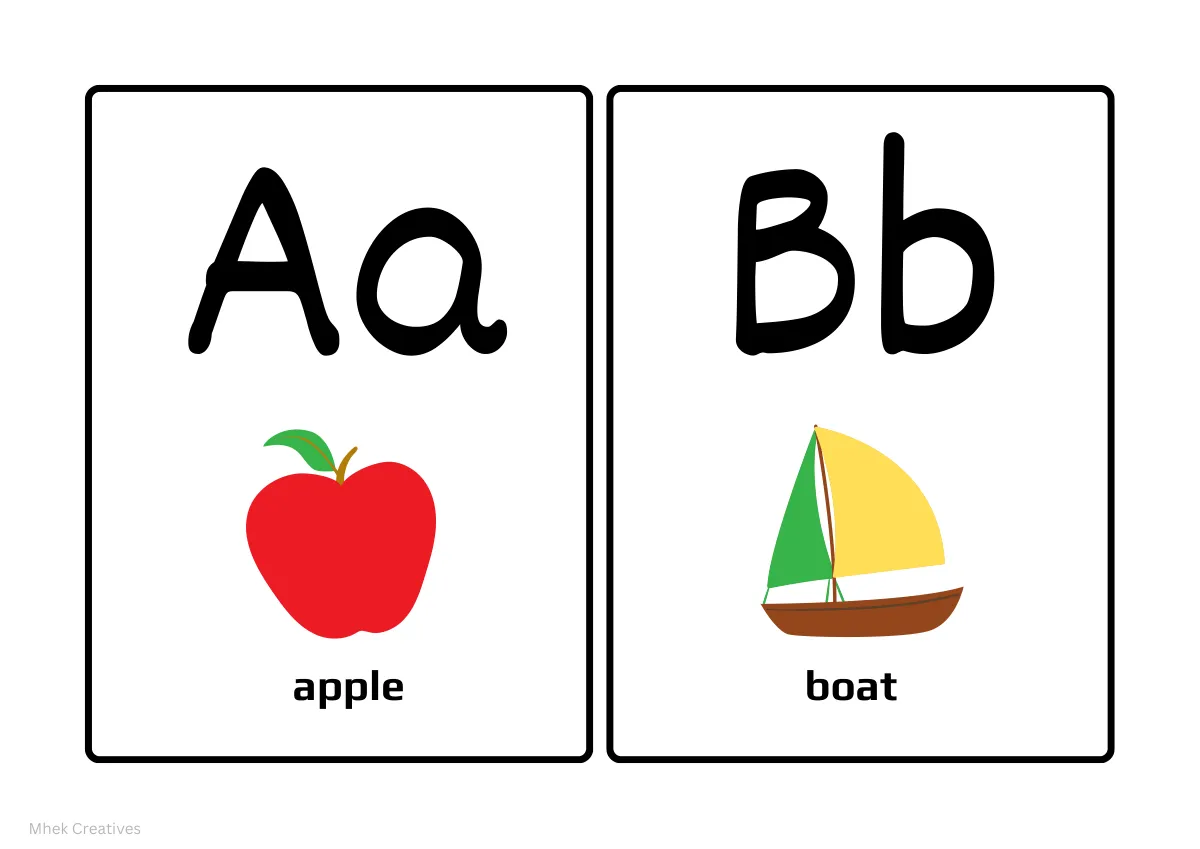
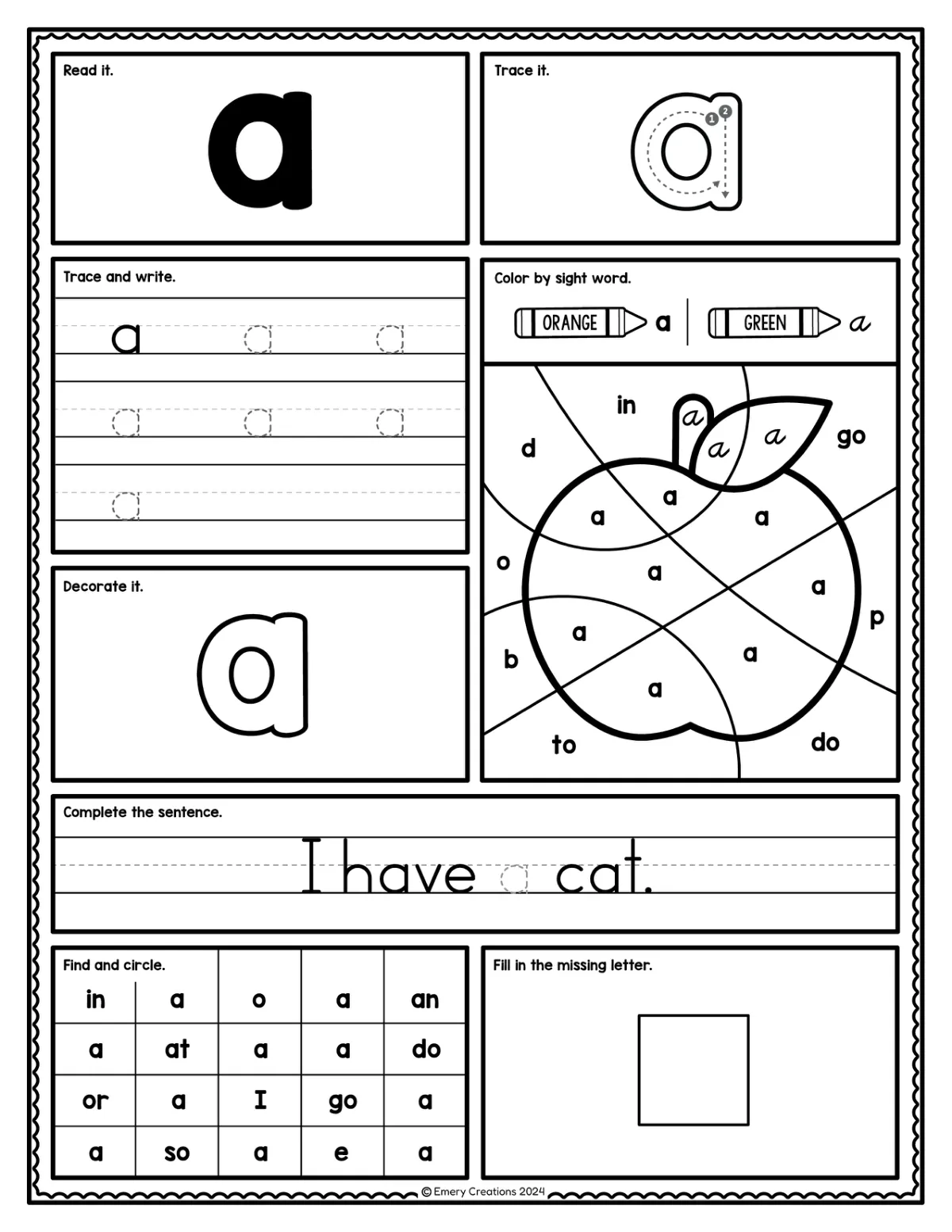
Here’s a real-world scene: A 5-year-old might spot the letter A on an apple and say “A says /a/ like apple,” but they might still hesitate when asked to write the letter on their own. Their letter sound knowledge might be patchy, with some letters standing out more than others. This is the stage when hands-on, playful activities shine.
Why Colouring Letters Benefits Alphabet Learning
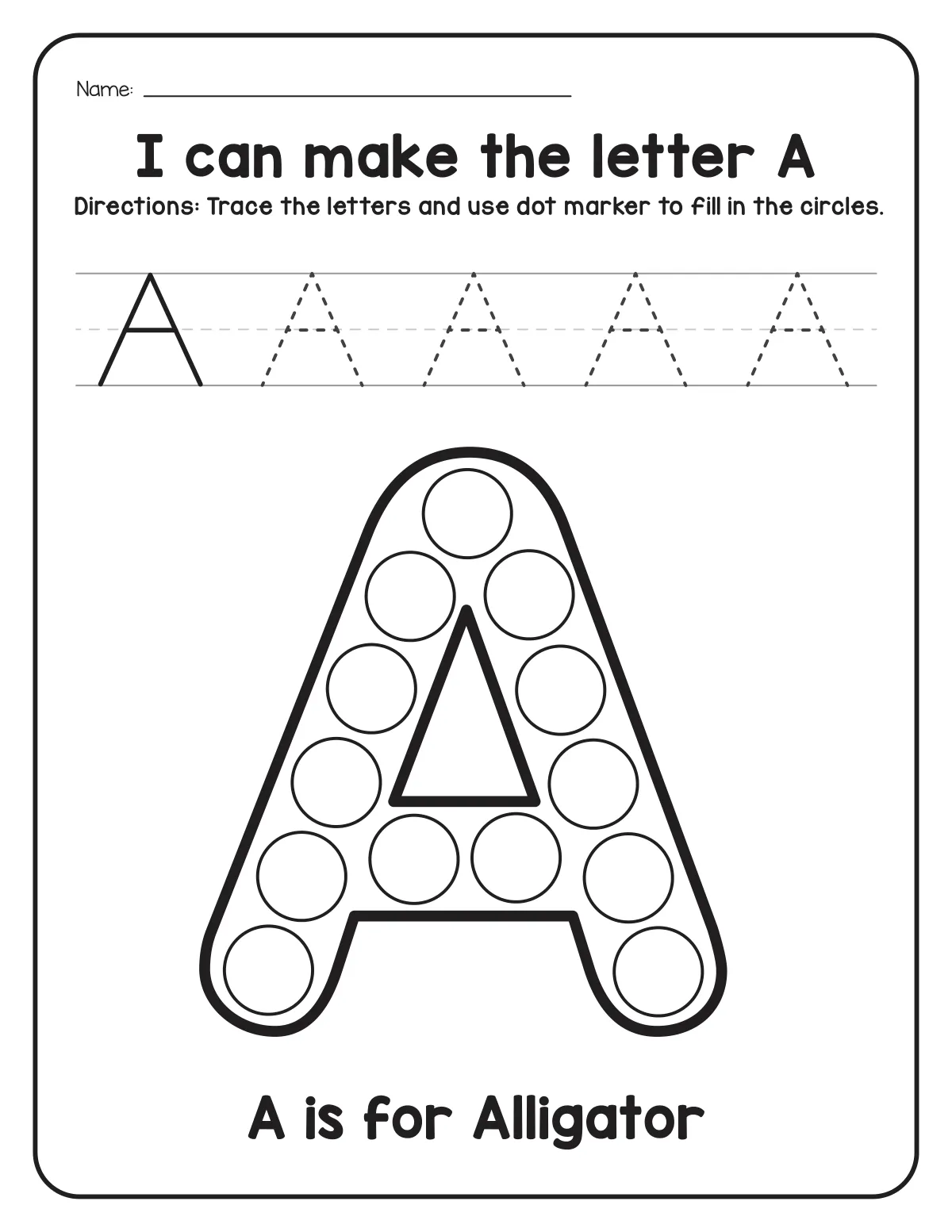
Often, adults picture early literacy as worksheets filled with tracing letters and writing drills. But colouring letters paired with images—like a big C beside a cat—helps children connect shapes, sounds, and words in a relaxed, engaging way. This kind of activity encourages children to slow down and notice letter forms, which boosts both visual and motor skills.
For example, a 4-year-old colouring the letter S alongside a snake might start to associate that curvy S shape with the hissing sound of a snake. Because they are controlling the crayon and choosing colours, they’re more invested than if they were simply writing letters over and over. This is a subtle but powerful form of learning.
- Improves fine motor control through colouring inside shapes
- Reinforces letter recognition by pairing letters with images
- Builds sound-letter associations naturally, without pressure
- Encourages a positive, creative approach to letters and words
When your child colours the pages from the Alphabet Coloring Book, they’re not just filling in spaces—they’re exploring letters in a way that feels like play, not work.
As they repeat tricky letters, you might notice growing confidence—not just in recognising letters, but in talking about them. That curiosity is a foundation that reading skills build on later.
Supporting Your Child’s Alphabet Journey at Home
You don’t need fancy materials or strict lesson plans. Simple moments count: pointing out letters on food packaging, reading alphabet books together, or encouraging your child to draw letters with crayons on scrap paper. Keep those interactions short and enjoyable—five or ten minutes a day is enough.
If you notice your 5-year-old mixing up letters, that’s normal. In fact, letter reversals often persist for several years and don’t mean your child is struggling. Instead of correcting constantly, join in the colouring or storytelling around letters. Celebrate small achievements, like naming a letter or recognising it in a new place.
Remember, the goal is fostering a love of letters and an understanding that words are meaningful and fun. This foundation makes decoding reading easier once formal lessons start.