Weekend Chore Projects That Actually Stick With Kids
Saturday morning sunlight streams through the kitchen window as Emma, 6, carefully places the last sticker on her chore chart: “Water the plants.” Her little brother, Noah, 4, proudly arranges his clean socks into colour-coded piles, eager to get his own sticker next to “Sort Laundry.” For this family, weekend chores have become a shared project, not a boring list of demands.
If your weekends often dissolve into a scramble of errands, screens, and half-finished to-dos, you’re not alone. But setting aside even 30 minutes to turn chores into an interactive project can change the vibe. Instead of nagging, your child understands what’s expected, feels accomplished ticking off each task, and builds real skills. And that’s the kind of weekend project parents and kids want.
Why Weekend Chores Work Best as Projects
Chores for young children aren’t just about tidying up. They teach responsibility, sequencing skills, and independence. The weekend often offers a gentler pace than hectic weekdays, so kids can take their time, make mistakes, and learn. Plus, it’s a chance for quality family interaction—not just homework or screen time.
For instance, baking a simple loaf of bread can be a weekend chore project. Kids help measure ingredients, mix dough, and later, enjoy the result as a family. Similarly, organising toys or updating a family’s chore chart can be a tangible task that reinforces order and decision-making.
Practical Tips for Making Weekend Chores a Project
- Choose age-appropriate tasks. For 4- to 8-year-olds, simple jobs like sorting laundry, wiping table surfaces, or feeding pets work well.
- Break down each task into clear, manageable steps. For example, ‘pick up books,’ then ‘put them on shelf’ instead of just ‘tidy room.’
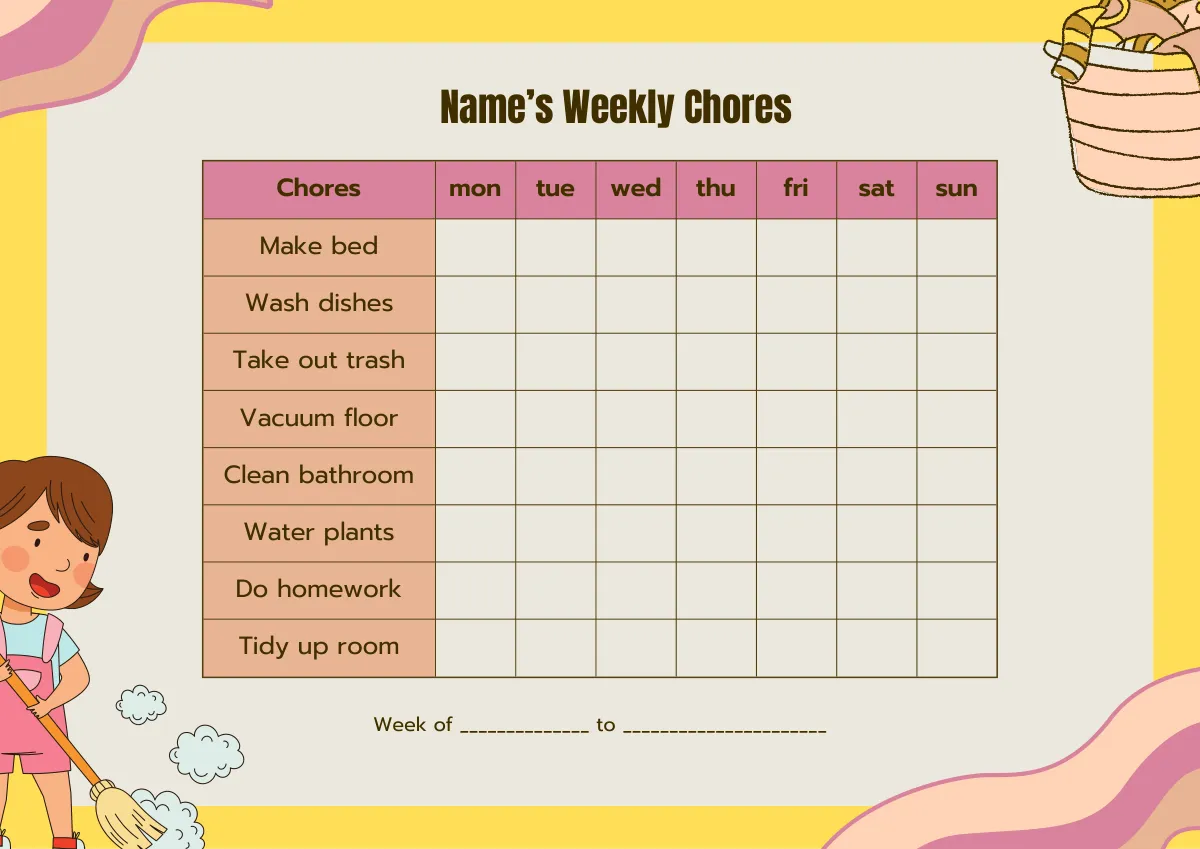
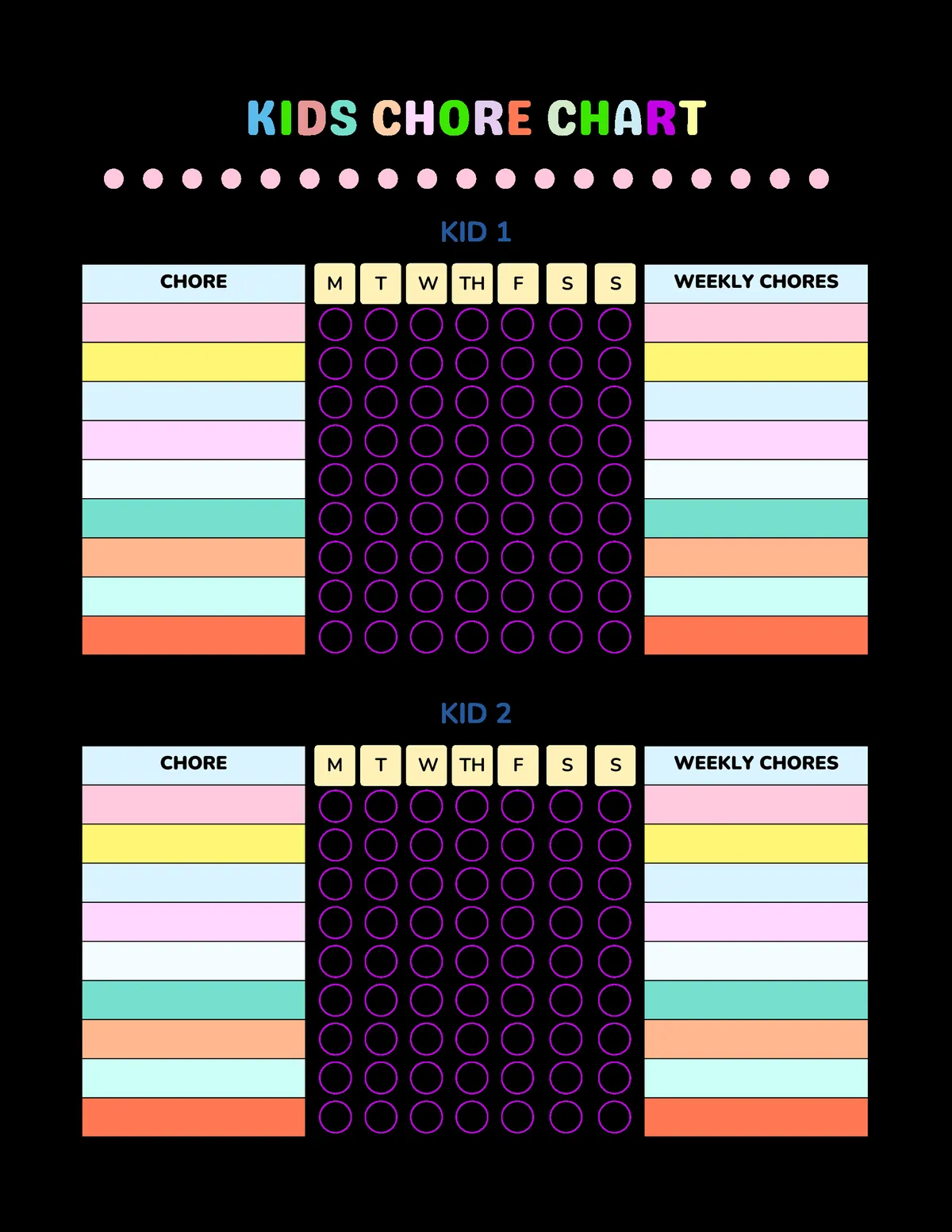
- Use visual aids. A colourful chore chart where kids can tick off completed jobs builds a sense of progress and pride.
- Set a dedicated time. Even 20–30 minutes on Saturday or Sunday morning creates routine and keeps the project manageable.
- Celebrate small wins. Praising effort and letting children see their impact encourages motivation.
One tool that makes this approach easier is a customizable chore chart, like the Canva Kids Chora Chart designed especially for kids aged 4 to 8. Families can edit names, colours, and tasks online before printing out a chart that fits their unique weekend routine. Having a chart in a familiar spot—fridge, bedroom door, or clipboard—helps kids track their progress visually.
Don’t worry if your child takes their time or needs reminders; weekend projects are meant to be fun and flexible. If a task feels too much, reduce it or swap it out. The goal is to foster positive habits, not perfection.
To keep things fresh, try varying chores week to week. One weekend might focus on gardening, another on sorting recycling or creating a family ‘thank you’ card. Involving kids in planning the list itself gives them ownership. Together, you can write down tasks and choose who does what, then transfer the list onto your chore chart.
Finally, remember that weekend chore projects aren’t just about chores. They’re about connection. Emma and Noah don’t just water plants and sort laundry; those moments become shared wins that carry into weekdays when kids can approach their responsibilities with confidence, clarity, and a sense of pride.