Why Coloring and Puzzles Are Key Milestones for Kids 4 to 8
It’s a Saturday morning. Eight-year-old Mia sits at the kitchen table, deep in concentration, carefully shading a monster’s teeth turquoise. Her six-year-old brother, Max, puzzles over a grid, trying to connect dots to reveal the same beast. Their mum watches from the doorway, quietly noting how much has changed since they first scribbled with crayons two years ago.
Colouring and solving simple puzzles might seem like everyday play, but for kids between 4 and 8, these activities mark crucial developmental milestones. They’re not just about keeping busy; they’re about building skills that shape how a child thinks, feels, and even interacts with others.
Fine Motor Skills Take Centre Stage
When a four-year-old grasps a crayon or a pencil, they’re strengthening the tiny muscles in their hands and fingers. This finesse is vital—it’s the foundation for writing letters, tying shoelaces, and manipulating objects. By the age of six or seven, children gradually handle these tools with greater control and precision. That’s why you’ll often see a shift from broad, messy strokes to careful, detailed colouring inside the lines.
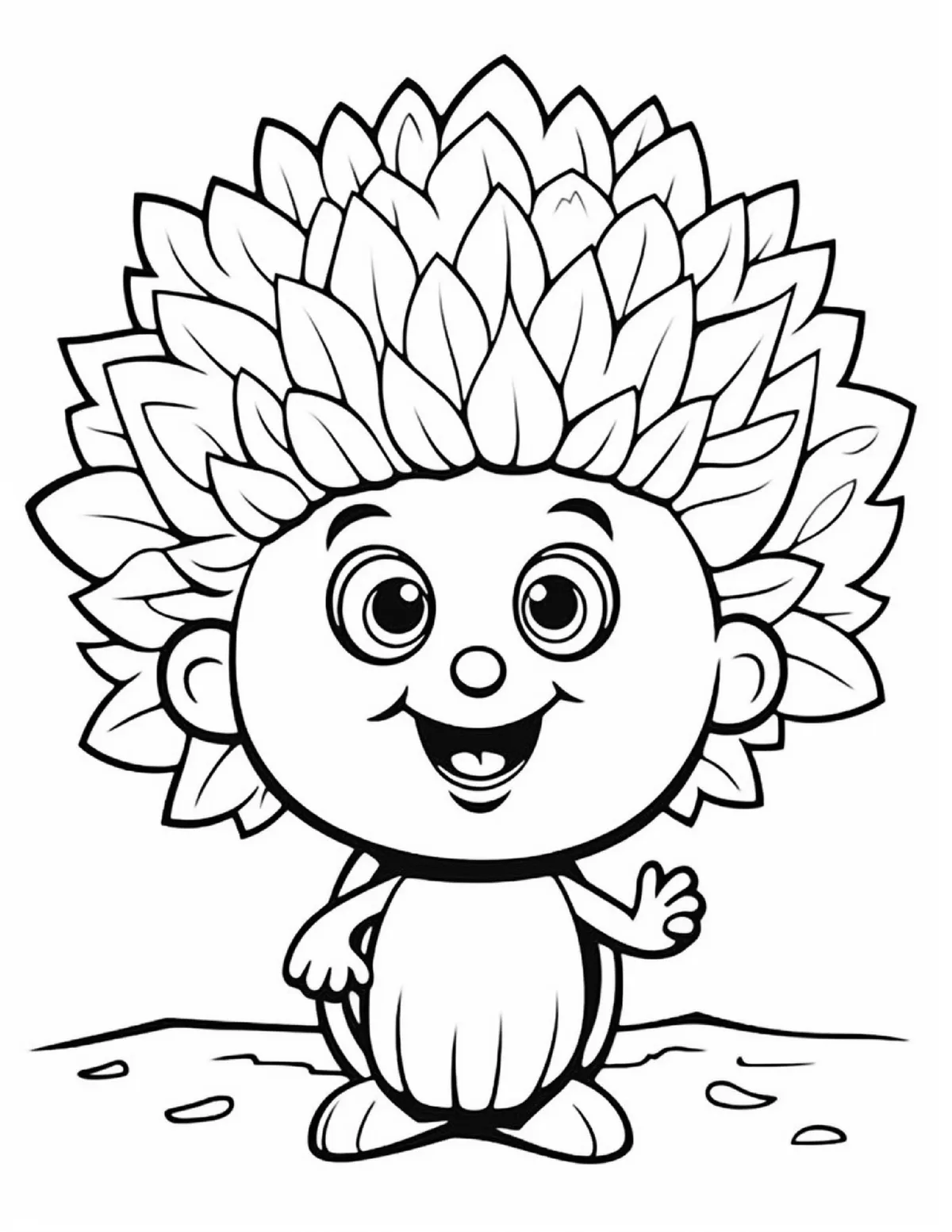
Parents often notice this transition during activities like the ones in the Monster Activity Book, where kids colour and complete puzzles designed for this age group. Toddlers might spray colour wildly, but by four to eight, children begin to show a clear intention behind their strokes — choosing colours, experimenting with patterns, and even correcting mistakes.
Cognitive Growth: Problem Solving and Focus
Beyond the hands, these activities exercise the brain. Puzzles—whether matching shapes, connecting dots, or simple mazes—encourage a child to think logically and plan ahead. For example, an activity that asks a six-year-old to identify which monster fits a certain pattern may look like fun, but it’s also developing their ability to recognise sequences and predict outcomes.
This is a big leap from toddler years, when kids are mostly exploring through trial and error. At four or five, they start to practise patience and attention span in a more sustained way, often surprising parents by sticking with a puzzle for 10 or even 15 minutes at a stretch. This focus is an important milestone, linked to early school readiness.
Emotional and Social Milestones Hidden in Play
Colouring and puzzles also quietly support emotional regulation. Think of Ellie, age 5, who gets frustrated trying to fit a puzzle piece but pauses, takes a breath, and asks for help. This moment of managing disappointment and seeking assistance is a massive step in emotional growth.
Moreover, when siblings or friends work together on a page or puzzle, they’re practising communication, negotiation, and sharing. Taking turns colouring a monster or solving a tricky challenge becomes a small but valuable social lesson.
- 4-year-olds improve hand-eye coordination by tracing and colouring simple images.
- 5- to 6-year-olds begin recognising patterns and can complete basic puzzles with less help.
- 7- to 8-year-olds develop more complex problem-solving skills and attention to detail.
If you’re wondering how to encourage these developmental milestones at home or in your teaching, it’s often as easy as offering the right challenges at the right time. Printable activity books filled with age-appropriate puzzles, colouring sheets, and games are a fantastic tool. They let kids explore safely and independently, while allowing adults a chance to gauge progress and join in on the fun when needed.
Activities from collections like the Monster Activity Book are perfectly tailored for these age ranges, balancing silly fun with skill-building. You can print a page or two for a long car journey, a rainy afternoon, or a quiet moment before dinner, knowing it supports learning even as it delights.
Parents and teachers often tell me the best part is seeing the child’s pride when a puzzle clicks or a colouring masterpiece emerges. Those moments matter. They’re the tiny triumphs marking the path from toddler curiosity to confident early childhood learner.