Why Coloring Winter Scenes Boosts Kids’ Fine Motor Skills
Imagine a 5-year-old sitting by the window on a cold afternoon, crayons scattered around, carefully filling in a penguin’s feathers on a sheet dotted with snowflakes. That small scene is actually a snapshot of a crucial skill-building moment. We often overlook how activities like colouring can quietly support key milestones in a child’s development, especially during the chilly months when outdoor play might be limited.
Fine motor skills—the ability to use the small muscles in hands and fingers—are essential for kids aged 4 to 8. These muscles help them tie shoelaces, button coats, hold pencils, and eventually write. But practice is necessary, and the best part? It doesn’t need to be a tedious exercise. In fact, repeated, focused colouring sessions can develop these muscles over time without any fuss.
Why Winter Themes Work So Well
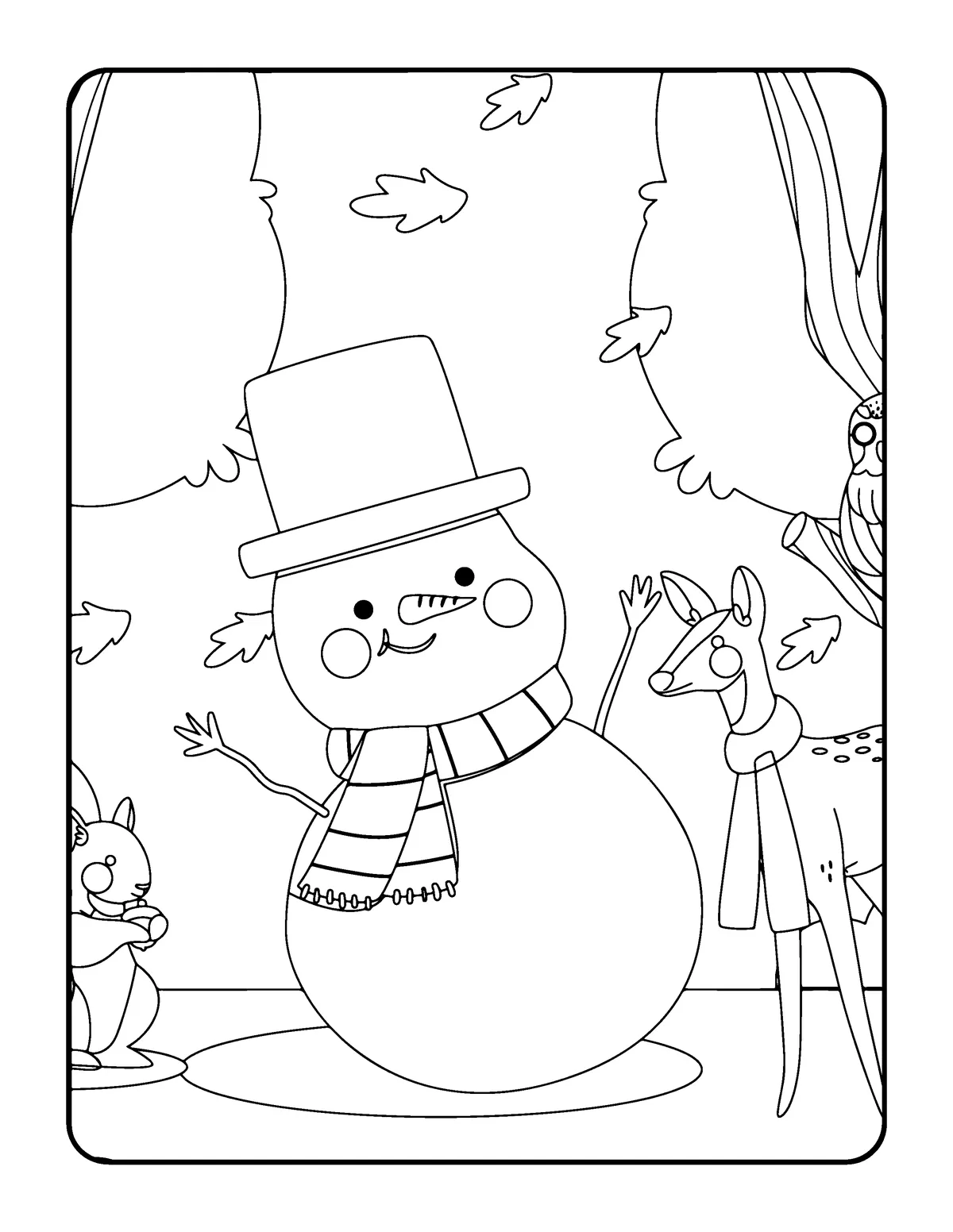
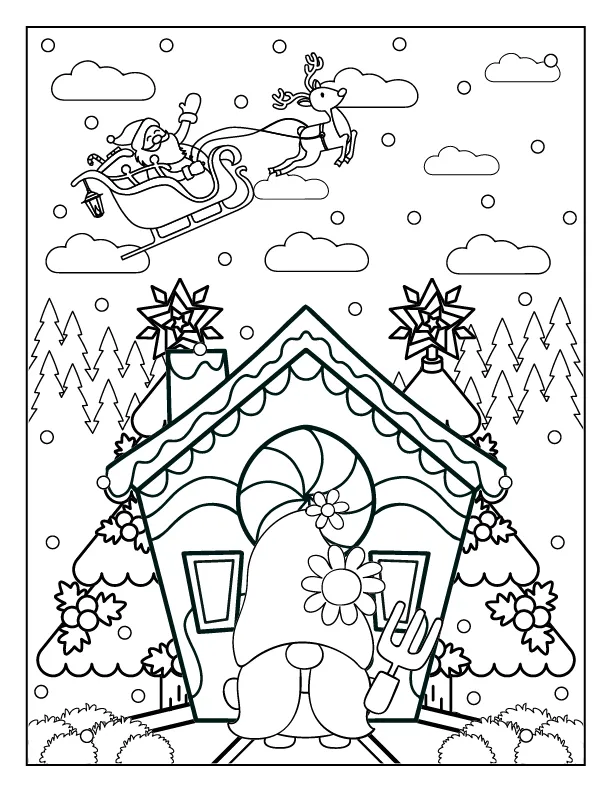
Winter-themed colouring books come with a built-in charm that draws children in: penguins waddling, cozy mittens, steaming mugs of cocoa, and swirling snowflakes. These familiar images excite kids, making them eager to pick up crayons or coloured pencils. The bold lines and simple shapes in these designs keep things manageable so children can complete each page in one go, which matches short attention spans common in younger kids.
This is especially important for kids around 4 to 6 years old who are still mastering the basics of pencil control. Each time they colour inside a mitten, or add shading to a snowflake, they’re practising hand-eye coordination and learning how to control pressure and direction. The result is stronger hand muscles and increased dexterity—milestones that lay the groundwork for school readiness.
Spotting Progress: What Milestones to Watch For
- Age 4: Can hold a crayon with thumb and fingers, starts colouring inside the lines more intentionally.
- Age 5: Begins to control pencil pressure, making darker or lighter marks, can colour smaller shapes like snowflakes.
- Age 6-7: Improves grip for longer colouring sessions, shows more patience and focus, colours entire scenes with confidence.
- Age 8: Develops precision, can stay within detailed boundaries like mitten stitches or penguin outlines.
Patience here is key. Some kids will zip through pictures, others will take their time. Both are okay. The goal is steady improvement and the joy of creating, not perfection.
If you find your child getting restless quickly, don’t push it. Shorter, frequent colouring sessions often work best. And if the kids get tired of winter motifs, rotating in other themes can keep motivation strong.
For those cold days when the playground is off-limits, a printable collection like Kids - Winter can be a simple, effective resource. It’s designed specifically with young artists in mind—bold, age-appropriate scenes kids can complete quickly, helping them stay engaged and practice those key fine motor milestones while snug inside.
In short, winter colouring isn’t just a way to pass the time. It’s a hidden step in helping little hands become ready for the bigger tasks ahead. So next time you see your 4- to 8-year-old absorbed in a snowflake or a penguin’s coat, remember: they’re building skills that will serve them for years.