Why Knowing Daily Milestones Helps Kids Feel More in Control
When my six-year-old Emma wakes up, the first thing she does is reach for her little planner—a bright, colourful book where she can tick off the day’s activities. It’s not just a list; it’s a visual map of her day, showing her what’s done and what’s coming next. Watching her casually cross off “breakfast” or “playtime” with a proud grin made me realise how much kids this age need to understand their daily milestones, even the small ones.
Milestones often sound like big moments—first steps, first words, or starting school—but for children aged 4 to 8, small daily achievements matter just as much. These little markers help kids make sense of time and experience, giving them a feeling of control and achievement that’s vital as they grow.
What Are Daily Milestones, Really?
Daily milestones are those tangible moments or tasks that kids complete each day. It could be as simple as getting dressed independently, finishing a colouring page, or helping set the dinner table. These are not just chores or tasks; they are stepping stones that build routines, self-confidence, and a sense of responsibility.
For example, when a child sees that they’ve packed their school bag or written their name neatly, it's more than an action completed; it’s an experience that tells them: “I did this, I can do this.” It’s a quiet confidence, but it carries weight in their expanding world.
Why Tracking Small Milestones Matters At Ages 4 to 8
Between ages 4 and 8, children are developing a much clearer sense of time and sequence, but it’s often abstract and confusing. Putting concrete markers on their day helps bridge this gap. A child who knows that storytime follows snacktime, or that after cleaning up there’s outdoor play, begins to anticipate and adapt. This predictability reduces anxiety and tantrums.
Moreover, hitting simple milestones daily encourages independence. My nephew, Jack, who turned five last month, started using stickers to mark when he dressed himself or brushed his teeth. Each sticker was a little badge. By the end of the week, he was asking to do these tasks without reminders—because he could see his progress.
The key here is that milestones don't have to be grand. They’re more about consistency. For children, seeing and marking their own achievements—whether it’s a drawing finished or a new word learnt—means they’re learning about their own agency.
- Helps kids visually understand the flow of their day and what’s expected next.
- Gives repeated opportunities for success and boosts self-esteem.
- Sets the foundation for time management and organisation skills.
- Builds independence by making children aware of their own role in daily routines.
- Provides talking points for parents and carers to celebrate progress and problem-solve.
Making Daily Milestones Fun and Manageable
I’ve found that trying to remember what milestones should be hit or encouraging a child to keep track of their day can quickly become a source of frustration if it feels like a chore for either of you. The best approach is something visual, engaging, and genuinely helpful—not complicated.
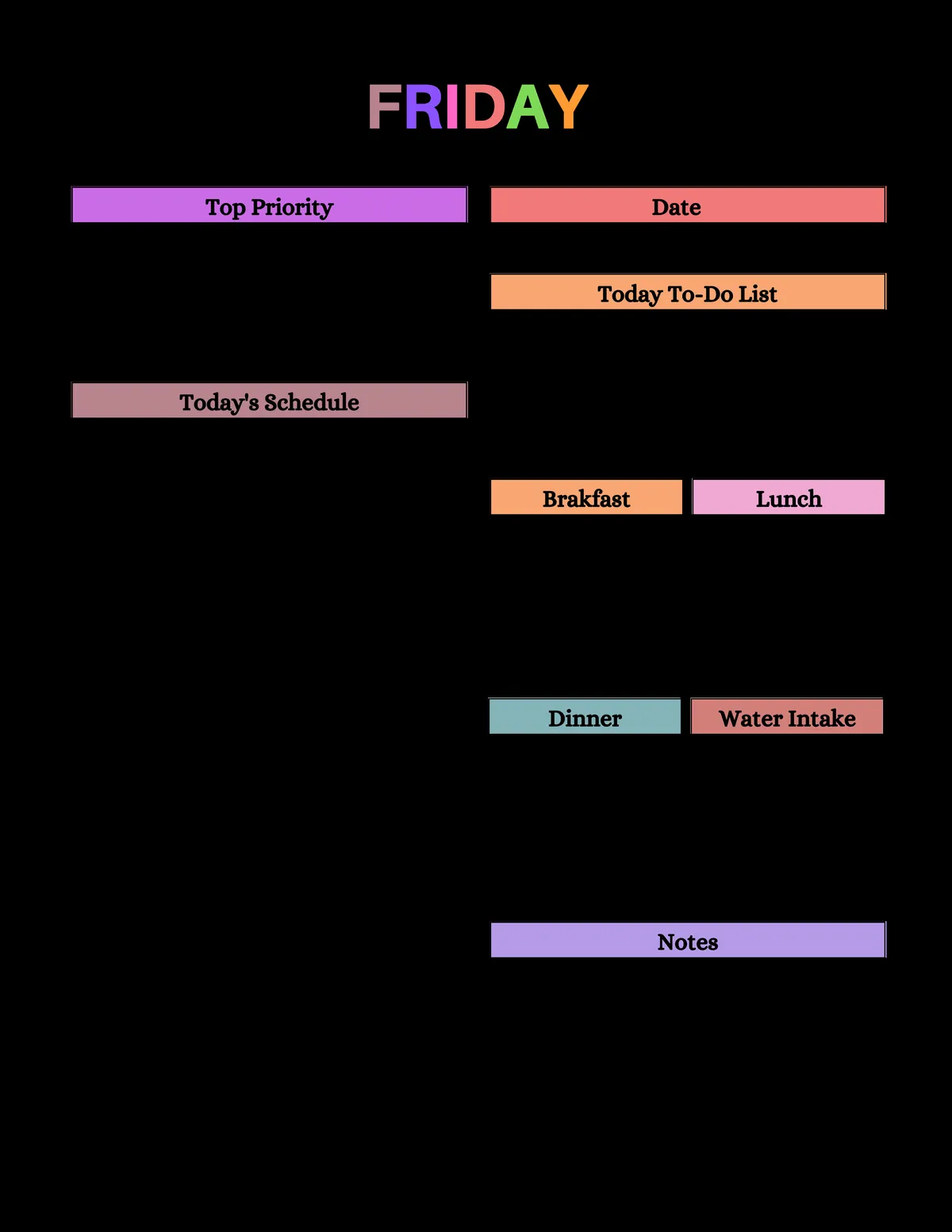
A simple planner designed for kids ages 4 to 8 works wonders here. Something like the Planner for Kids lets children see their day laid out with tasks, goals, and fun moments all in one place. This way, they’re not just ticking boxes—they’re storytelling their own day, gaining confidence every step of the way.
You don’t have to fill every minute with tasks. The planner can include free play, snack breaks, and even moments to pause and reflect. That balance keeps things light but still meaningful.
It’s also key to adjust as your child grows. Milestones at age 4 might be simple, like putting toys away, but by 7 or 8, they might include unpacking school bags or helping plan a family meal. The important thing is to keep the process positive and tailored to your child’s rhythm.
Remember, these early experiences of managing daily milestones shape how children understand their place in the world. They learn that their day has a shape they can see and follow, which builds calm, confidence, and curiosity.